Authors from Acre Shine in National Literary Contest
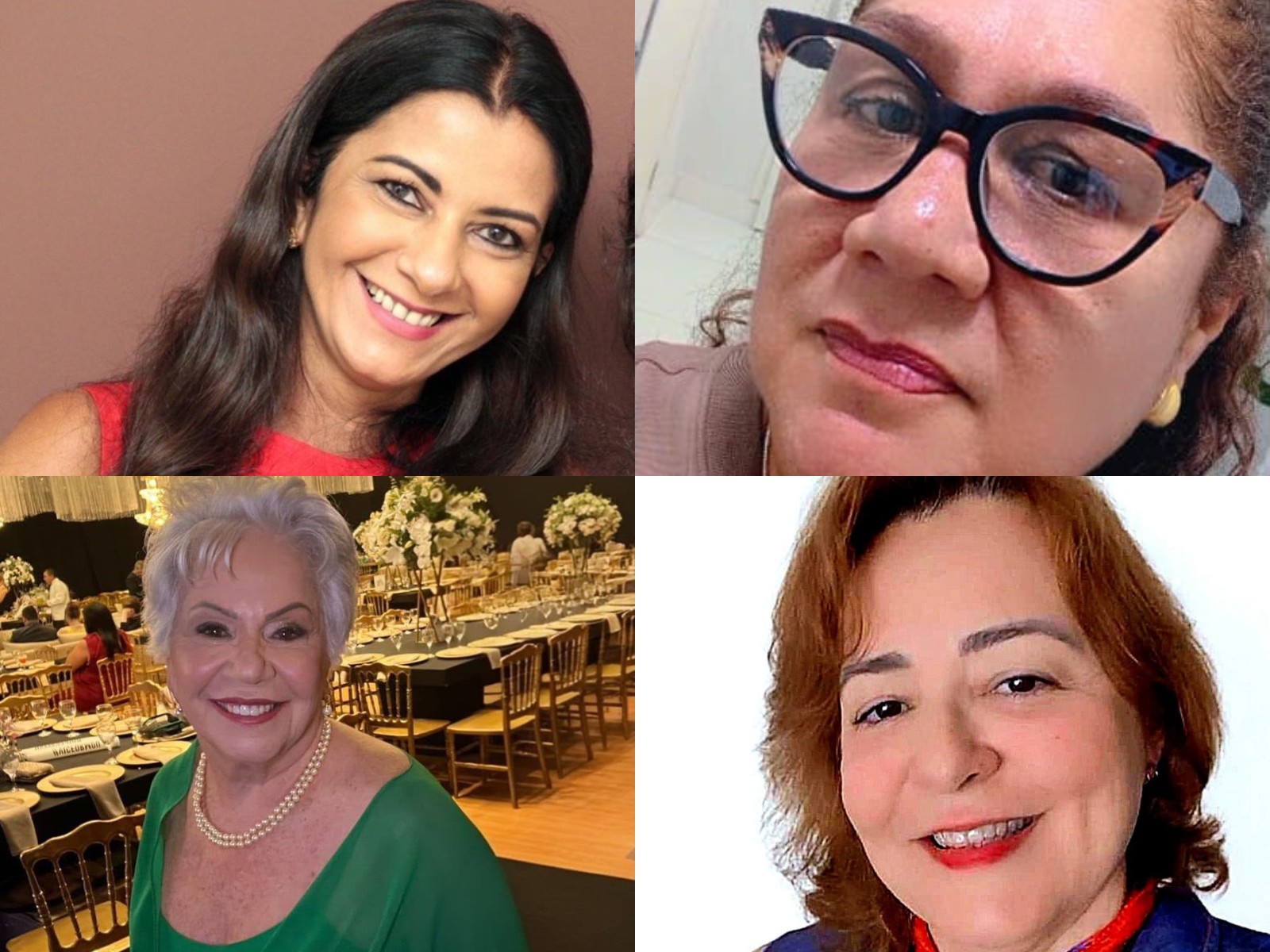
Four writers from Acre, Brazil, have achieved recognition in the National Literary Contest organized by the Association of Journalists and Writers of Brazil (AJEB). Socorro Camelo secured second place in the Chronicle category for her work 'Até amanhã, Índia!' (Until Tomorrow, India!). Golbyleni Cristina Pullig's text 'Inclassificável' (Unclassifiable) and Edir Figueira Marques's 'Envelhecer não é desaparecer' (Aging is Not Disappearing) were highlighted as distinguished texts in the same category. Giselle Lopes de Moraes received an honorable mention for her piece 'Nasci no Acre, virei evento!' (I Was Born in Acre, I Became an Event!). Additionally, writer Maze Oliver also had a text selected for the competition. The selected works will be published in a national magazine, and the awards ceremony is scheduled to take place during the São Paulo International Book Biennial in September. Socorro Camelo, also the president of AJEB Acre, emphasized that this achievement extends beyond individual recognition, highlighting the importance of supporting women's writing as a contribution to Acre's culture and identity. She stated that national recognition for an Acrean writer demonstrates the state's literary voice and its role in Brazilian literature. Edir Figueira views the recognition as a celebration of literature, transforming life into hope through writing. Golbyleni Cristina Pullig underscored the significance of valuing Acre's literary production, noting that literature connects people and their stories, and national recognition encourages continued writing. Giselle Moraes expressed her excitement that stories originating in Acre can transcend borders and reach readers across Brazil, viewing it as an incentive for her writing.
This literary contest celebrates and elevates female writers from Brazil's Acre region, underscoring the growing recognition of diverse regional voices within the national cultural landscape. The organizers' focus on women's production aims to foster social and cultural transformation through literature, potentially addressing underrepresentation and promoting unique narrative perspectives. The event's timing and venue—the São Paulo International Book Biennial—suggest an effort to integrate these regional contributions into broader literary and commercial circuits. This initiative aligns with broader trends of decentralizing cultural influence and empowering voices from Brazil's less prominent regions, offering a counter-narrative to the concentration of cultural capital in major urban centers. The success highlights the potential for literary platforms to bridge geographical divides and amplify underrepresented stories, fostering a more inclusive and dynamic national literary identity.
AI-generated to prompt reflection — not editorial opinion, not advice, not a statement of fact. How this works.
