Autism in Women: Late Diagnosis, Masking, and Coping Strategies
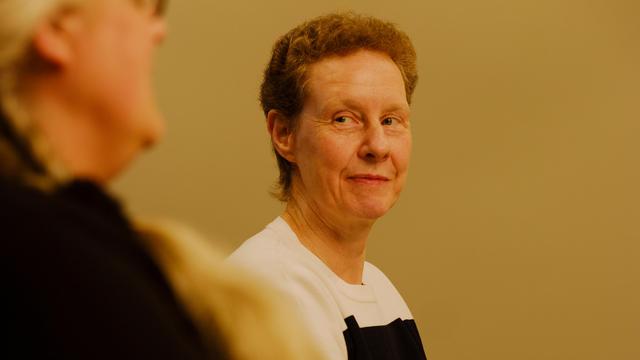
Autism in women is frequently diagnosed late because they often mask their symptoms. Two women share their experiences with the condition, discussing aspects of their lives including dance classes, sexuality, and struggles with depression. They describe a pervasive feeling of being an outsider, akin to being an alien. The article highlights that finding effective coping mechanisms was crucial for them. This often involves understanding their unique needs and developing strategies to navigate a world that may not be designed for neurodivergent individuals. The late diagnosis can lead to prolonged periods of misunderstanding and internal struggle, impacting mental health significantly. However, by sharing their stories, these women aim to offer hope and validation to others who may be experiencing similar challenges. Their journeys underscore the importance of increased awareness and earlier detection of autism spectrum disorder in females.
The late diagnosis of autism in women suggests a systemic gap in understanding neurodevelopmental differences, particularly how they manifest differently in females. This masking behavior, while an adaptive strategy, can lead to significant mental health burdens, including depression, and a prolonged sense of alienation. Future diagnostic approaches and societal awareness campaigns should prioritize recognizing these subtler presentations. The experiences shared highlight the critical need for tailored support systems that acknowledge the unique challenges faced by autistic women, fostering environments where they can thrive without the necessity of constant masking. This also points to broader questions about societal expectations and neurodiversity integration in the coming decade.
AI-generated to prompt reflection — not editorial opinion, not advice, not a statement of fact. How this works.
