Auto Repair Shop Condemned for Overcharging Customers Over R$11,000 for Tire Changes
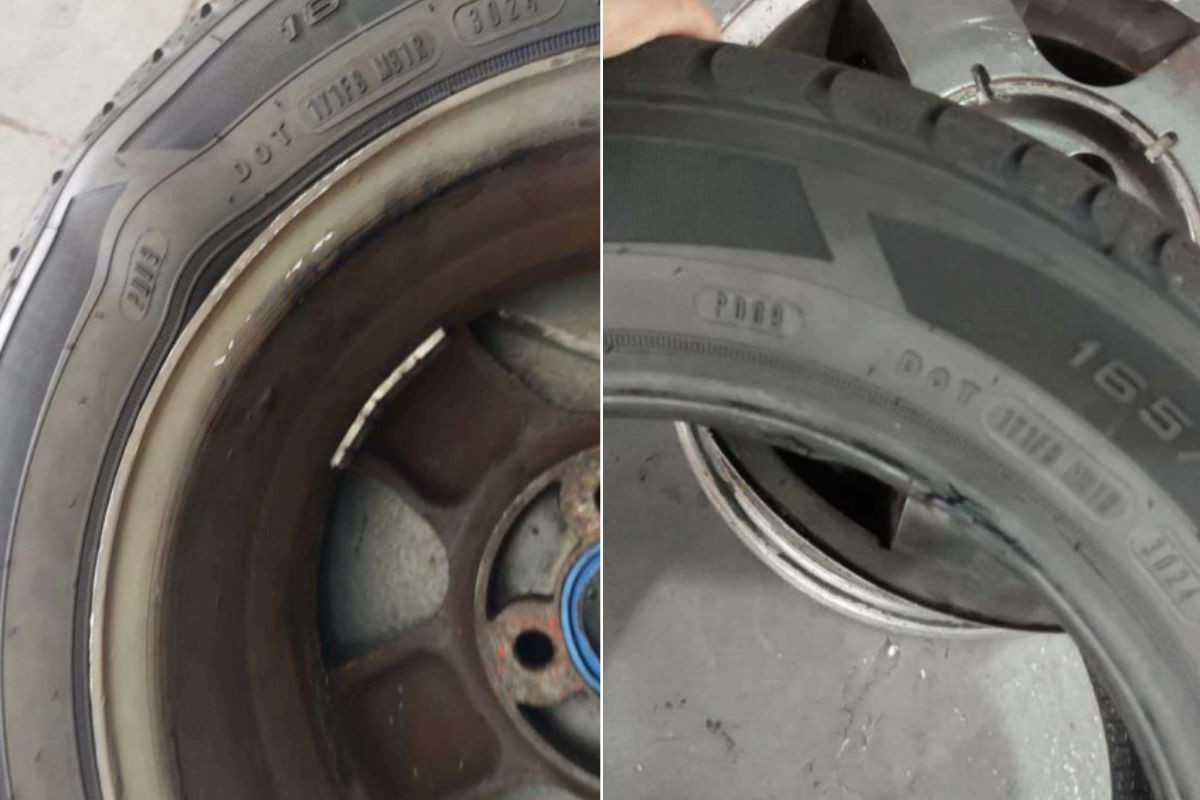
A trusted mechanic helped a woman in São Vicente, SP, identify an abusive charge of R$11.7 thousand for a tire change at the Rede Muniz Auto Center. The customer had initially budgeted R$350 for the service but was presented with a bill for unsolicited work. Following her complaint, the Public Prosecutor's Office (MP-SP) investigated and gathered further allegations, leading to the condemnation of two companies managing Rede Muniz in the city. The court ordered them to pay R$100,000 in collective moral damages, to be allocated to a state fund supporting consumer and environmental protection projects. The auto center's defense claims the decision is under appeal due to procedural errors and denies the alleged practices. The individual consumer involved in the initial complaint received R$32.2 thousand in compensation last year, a case that has concluded but is also subject to appeal. The mechanic reviewed the woman's invoices and services, noting that charges for items like "rear axle gauging" and "steering box adjustment," totaling nearly R$10,000, appeared fraudulent. He also contested a "hydraulic steering adjustment" charge for a vehicle equipped with electric steering. Investigations revealed significant price discrepancies for services like brake system cleaning and hydraulic steering system cleaning when compared to other local workshops. Consumer rights experts advise that performing services without prior explicit authorization and a detailed budget is abusive. Customers are entitled to refuse services after receiving an estimate and must have their vehicles returned fully assembled. Payment under duress to retrieve a vehicle does not constitute agreement, and consumers may seek reimbursement, potentially in double the amount of undue charges, by gathering evidence such as receipts, photos, and communications.
This case highlights systemic issues within the automotive repair industry where profit motives can incentivize deceptive practices, such as inflating costs for unsolicited or unnecessary services. The legal intervention and collective damages awarded aim to deter such predatory behavior and reinforce consumer protection laws. Future market dynamics may see increased adoption of transparent pricing models and digital verification processes for repair authorizations, driven by consumer demand for trust and accountability. The court's imposition of specific obligations on the companies, beyond financial penalties, signals a focus on systemic reform and preventing future exploitation by mandating improved customer interaction protocols and training.
AI-generated to prompt reflection — not editorial opinion, not advice, not a statement of fact. How this works.