Autodrome Construction Threatens Ancient Archaeological Site and Park in Buenos Aires
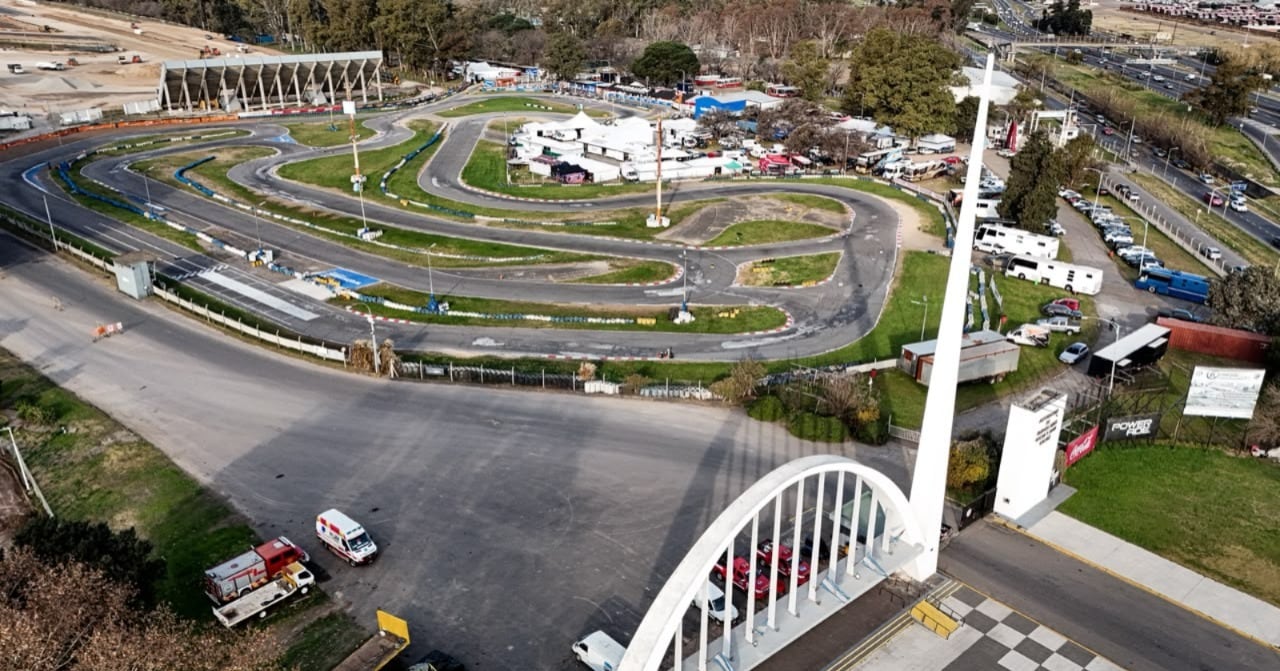
Construction work at the Buenos Aires Autodrome is raising concerns over its potential impact on the La Noria archaeological site, believed to be the oldest in the city. This site contains evidence of inhabitants who lived there 300 years prior to the founding of Buenos Aires. Additionally, the adjacent Parque Ribera Sur is also at risk due to the ongoing development. The proximity of these significant historical and natural areas to the autodrome's expansion projects highlights a potential conflict between urban development and heritage preservation. Local authorities and heritage groups are reportedly monitoring the situation closely to ensure that the archaeological integrity of La Noria and the ecological balance of Parque Ribera Sur are not compromised. The discovery of artifacts at La Noria has provided crucial insights into the pre-colonial history of the region. The potential damage to these sites underscores the challenges of balancing modern infrastructure needs with the imperative to protect invaluable cultural and environmental assets. Further assessments are expected to determine the full extent of the impact and to propose mitigation strategies.
The planned construction at the Autodrome presents a classic urban planning dilemma, pitting immediate infrastructural development against the preservation of deep historical and ecological assets. The La Noria site, predating Buenos Aires' founding by three centuries, offers a rare window into the region's pre-colonial past, while Parque Ribera Sur represents a vital urban green space. The challenge lies in reconciling the economic and social benefits of autodrome expansion with the irreversible loss of cultural heritage and natural habitats. Future urban development strategies will need to integrate robust archaeological and environmental impact assessments from the outset, fostering a proactive approach to heritage management rather than a reactive one. This situation prompts consideration of alternative development pathways that minimize or avoid encroachment on sensitive sites, ensuring that progress does not come at the cost of irreplaceable historical context and biodiversity.
AI-generated to prompt reflection — not editorial opinion, not advice, not a statement of fact. How this works.