Automating the Testing of Hundreds of Used LFP Cells for Projects
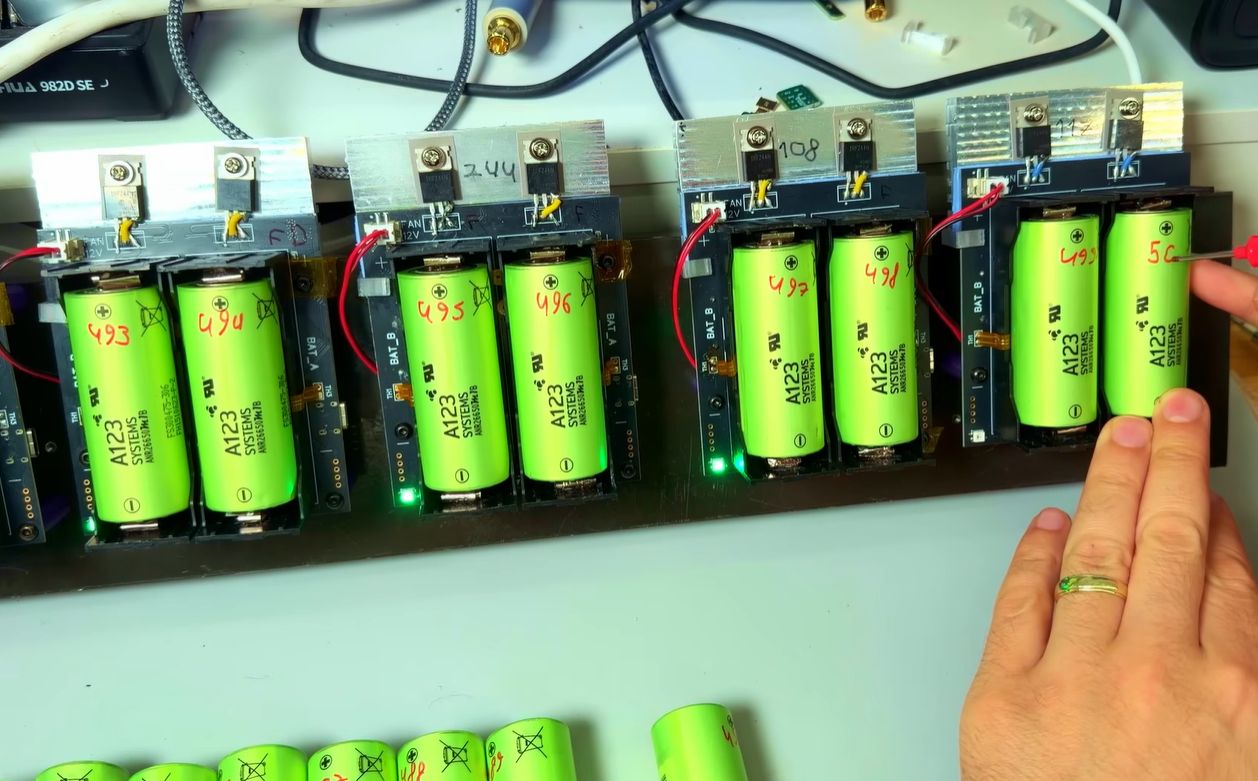
Acquiring a large quantity of high-quality lithium-ion cells, specifically Lithium Iron Phosphate (LFP) cells, for projects like performance go-karts can still present a financial challenge, even with the general decrease in Li-ion cell prices over time. The article suggests that testing hundreds of these used LFP cells necessitates some level of automation. This implies that manual testing of such a large volume would be inefficient and impractical. The focus is on the practical aspects of sourcing and preparing a significant number of cells for reuse in demanding applications. The need for automation highlights the scale of the undertaking and the potential for cost savings through efficient processing of used battery components.
The increasing demand for battery storage solutions across various sectors, from electric vehicles to renewable energy, is driving innovation in battery recycling and reuse. While the cost of new lithium-ion cells has declined, the expense and complexity associated with testing and validating hundreds of used cells for performance-critical applications present a significant hurdle. Automating this testing process is crucial for unlocking the economic potential of the second-life battery market. This trend underscores a broader shift towards a circular economy for energy storage, where materials are conserved and waste is minimized. Future developments will likely focus on standardizing testing protocols and improving the predictive accuracy of cell performance to reduce risk and encourage wider adoption of refurbished battery systems.
AI-generated to prompt reflection — not editorial opinion, not advice, not a statement of fact. How this works.
