Autonomous Driving: A Catalyst for Future Structural Change in Mobility?
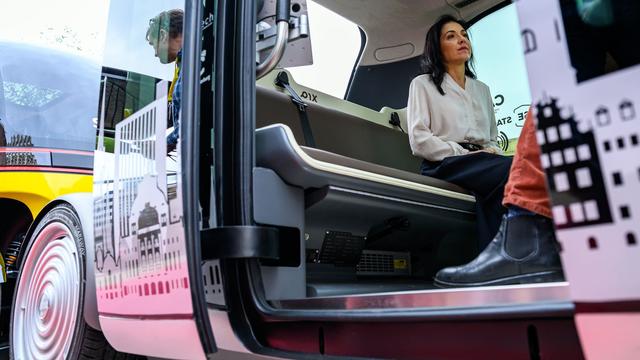
The article explores the potential of autonomous driving technology to fundamentally reshape the mobility sector and drive structural change. It questions whether self-driving vehicles can become a primary engine for this transformation.
The discussion centers on the concept of autonomous driving as a disruptive force, capable of altering established patterns of transportation, urban planning, and the automotive industry itself. The piece delves into the technological advancements and societal implications that could arise from widespread adoption of this technology.
Ultimately, the article poses a forward-looking question about the capacity of autonomous driving to not only improve individual mobility but also to act as a significant catalyst for broader economic and social restructuring within the mobility landscape.
The advent of autonomous driving presents a complex interplay of technological innovation, regulatory frameworks, and societal adaptation. Its potential to reshape mobility hinges on overcoming significant technical hurdles, ensuring public safety, and addressing ethical considerations. The economic implications extend beyond vehicle manufacturing to infrastructure development, urban planning, and the labor market, potentially creating new industries while disrupting existing ones. Examining the incentive structures for developers, policymakers, and consumers will be crucial in navigating this transition, ensuring that the benefits are broadly shared and the risks are effectively mitigated. The long-term impact will likely depend on how effectively these systems are integrated into the broader socio-economic fabric, influencing everything from personal freedom to the efficiency of goods distribution in the coming decade.
AI-generated to prompt reflection — not editorial opinion, not advice, not a statement of fact. How this works.