Autonomous Drone Delivers Kidney in French Preclinical Trial
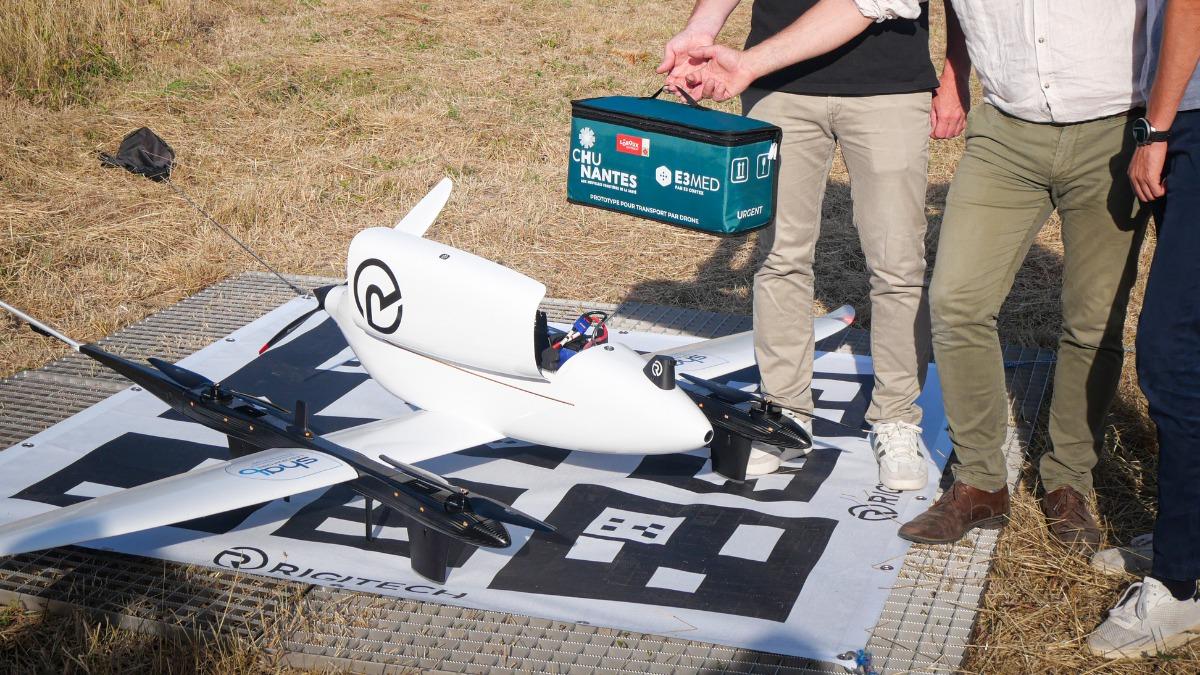
A preclinical trial near Nantes, France, has successfully transported a kidney using an autonomous drone. The organ was designated for research purposes during this test. This innovative aerial transport method demonstrated its potential to significantly reduce transit times, a critical factor in organ transplantation. The results of this experiment are described as highly encouraging, suggesting a promising future for drone technology in medical logistics. While this specific trial involved a research organ, the implications for actual transplant procedures are substantial. The ability to bypass traditional traffic and logistical challenges could expedite the delivery of vital organs, potentially improving outcomes for recipients. Further development and regulatory approvals would be necessary to implement this technology in clinical settings for actual organ transplants.
This successful preclinical drone delivery of a research kidney highlights the potential for autonomous aerial systems to revolutionize organ transport logistics. By reducing transit times, such technology could address a critical bottleneck in transplantation, potentially increasing the viability of organs and expanding the window for successful procedures. The system's effectiveness in a real-world, albeit preclinical, scenario near Nantes suggests that overcoming technical and regulatory hurdles could lead to significant improvements in healthcare delivery. Future considerations will likely involve scaling this technology, ensuring robust safety protocols, and integrating it seamlessly with existing organ procurement and transplant networks to maximize its benefit.
AI-generated to prompt reflection — not editorial opinion, not advice, not a statement of fact. How this works.