Avante Party Endorses Tarcísio for Re-election, Names Paulo Barbosa for Senate
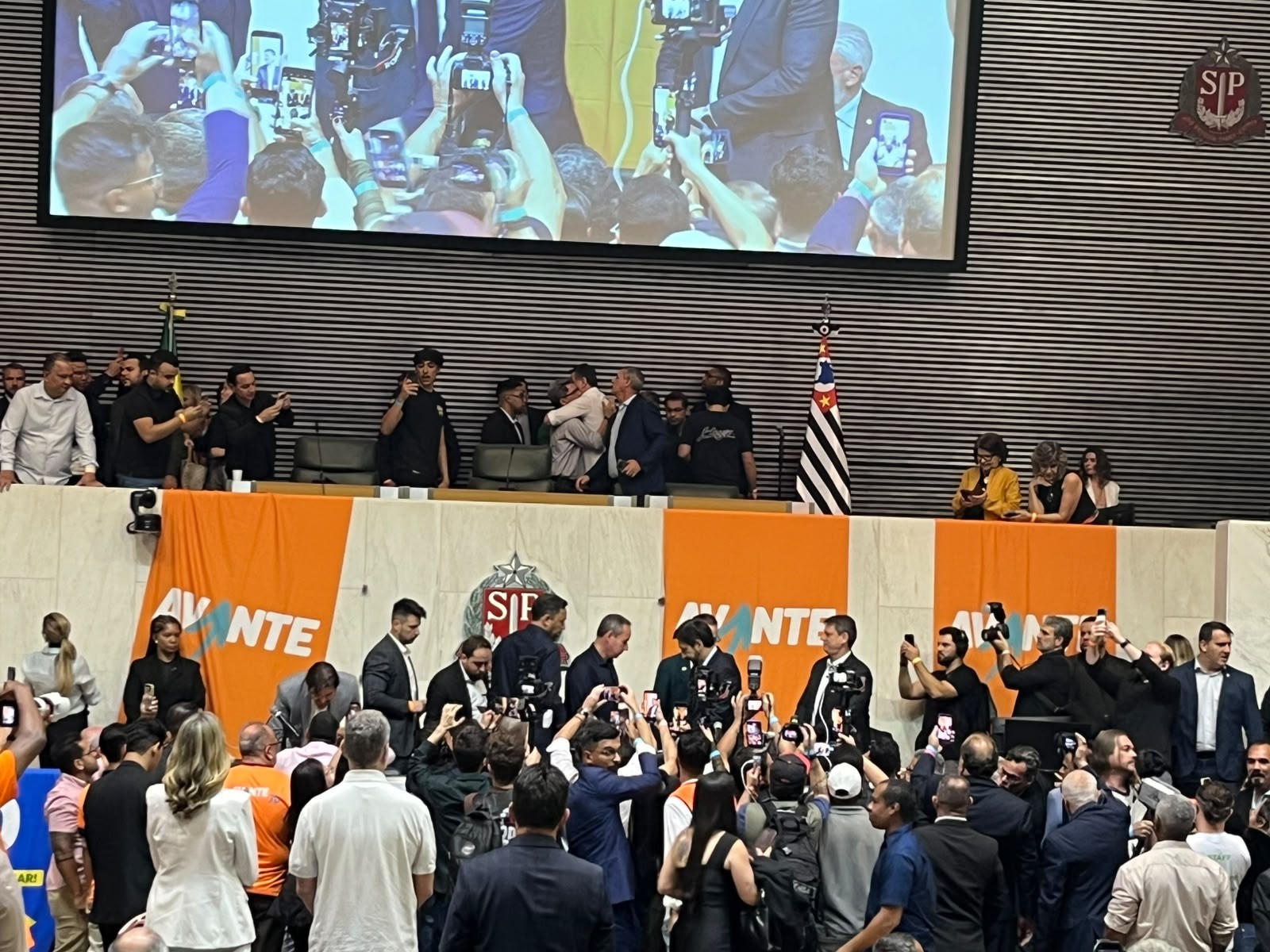
The Avante party held its state convention in São Paulo on Monday, June 3rd, officially nominating candidates for the 2026 elections. The event, hosted at the Legislative Assembly of São Paulo (Alesp), saw the participation of political leaders, members, and supporters. Notable attendees included São Paulo Mayor Ricardo Nunes (MDB) and Governor Tarcísio de Freitas (Republicanos). During the convention, Paulo Barbosa, the party's state vice-president, was formally announced as its candidate for the Senate. The Avante party also declared its support for Governor Tarcísio de Freitas's re-election bid. The party launched a total of 64 candidates for state deputy and 71 for federal deputy. Governor Tarcísio expressed gratitude for the support and emphasized the importance of collective effort. Mayor Ricardo Nunes congratulated the party on its growing influence and pledged his support for their candidates, highlighting Tarcísio's significant role in the state. Additionally, the convention marked the announcement of writer Augusto Cury's candidacy for President of Brazil.
The Avante party's strategic endorsements in São Paulo signal a focus on consolidating political influence by aligning with established figures like Governor Tarcísio de Freitas. This move suggests a calculated approach to leverage existing power structures for electoral gain in the upcoming 2026 cycle. The party's decision to field a significant number of candidates for state and federal deputy positions indicates an ambition to expand its representation. By officially backing Tarcísio's re-election, Avante positions itself as a key coalition partner, potentially securing future policy considerations or government appointments. The announcement of Augusto Cury's presidential candidacy introduces an element of broader national aspiration, though its electoral viability will depend on extensive public engagement and campaign development. The party's convention effectively served as a platform to formalize alliances and articulate its electoral strategy for the next election period.
AI-generated to prompt reflection — not editorial opinion, not advice, not a statement of fact. How this works.
