Avian Flu Health Alert: Understanding H5N1 and Its Risks to Humans
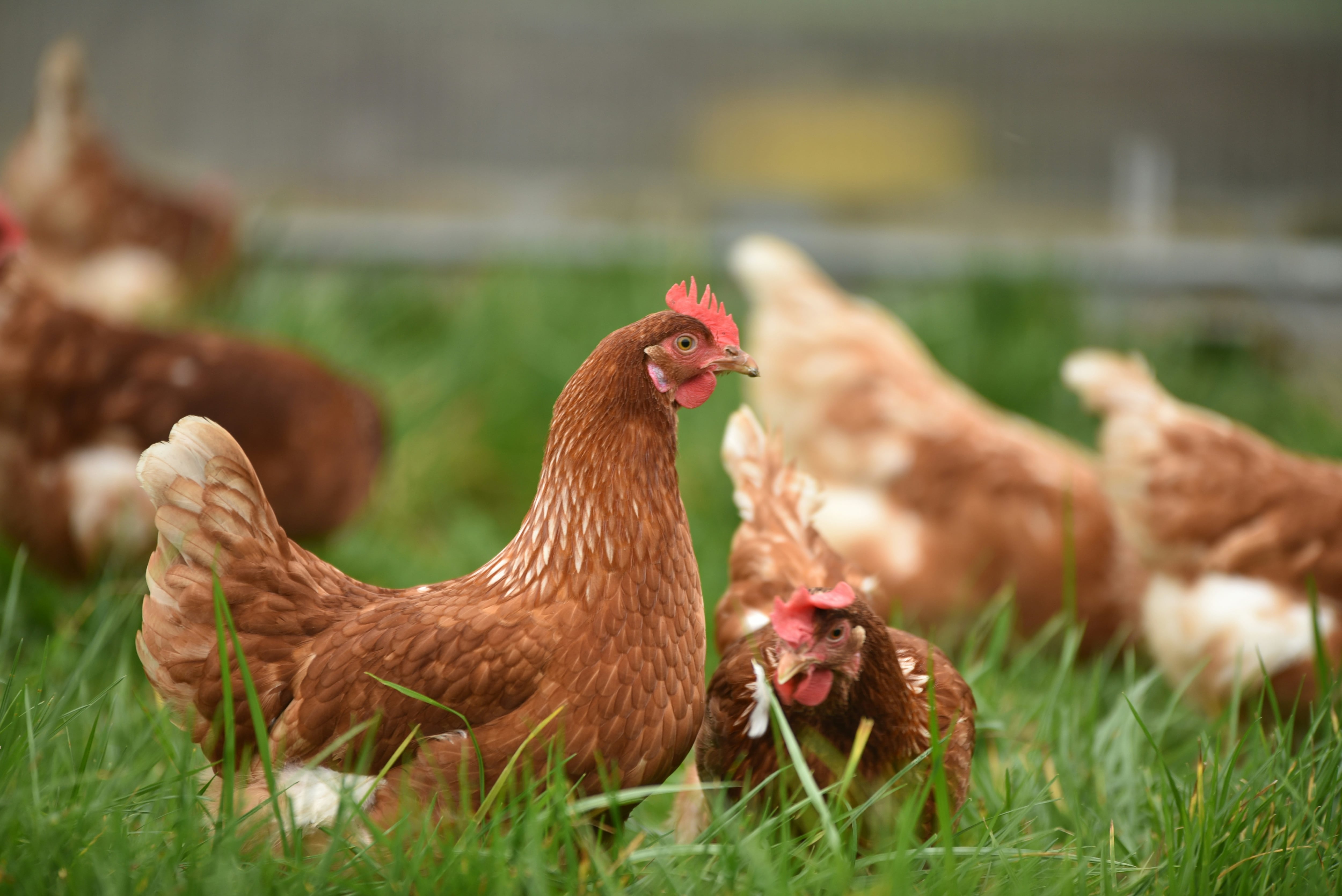
Health specialists are addressing concerns surrounding the avian influenza virus, specifically the H5N1 strain. They are explaining the transmission mechanisms of the virus and clarifying the current level of risk it poses to the general population. The experts are also providing guidance on the safety of consuming poultry and eggs amidst these concerns. This information aims to educate the public and alleviate potential anxieties related to the spread of avian flu. The focus is on providing accurate scientific information to differentiate between the risks to birds and the risks to humans. Further details on containment measures and monitoring efforts are expected to be released as the situation evolves. The specialists emphasize that while vigilance is necessary, the immediate risk to human health remains low.
The H5N1 avian influenza outbreak necessitates a clear, science-based communication strategy to manage public perception and prevent undue alarm. While the virus poses a significant threat to avian populations, its transmission to humans is rare and typically requires close contact. Public health messaging should focus on reinforcing established biosecurity protocols for poultry farmers and advising caution for individuals with direct exposure to infected birds. The economic implications for the poultry industry and food supply chains warrant careful consideration, alongside robust surveillance systems to detect and respond to any shifts in viral transmissibility or pathogenicity. Long-term strategies may involve exploring vaccine development for both poultry and, if necessary, human populations, and fostering international cooperation to monitor and control zoonotic disease emergence.
AI-generated to prompt reflection — not editorial opinion, not advice, not a statement of fact. How this works.