Avila-Madrid Wildfire Creates Own Microclimate, Hindering Prediction Efforts
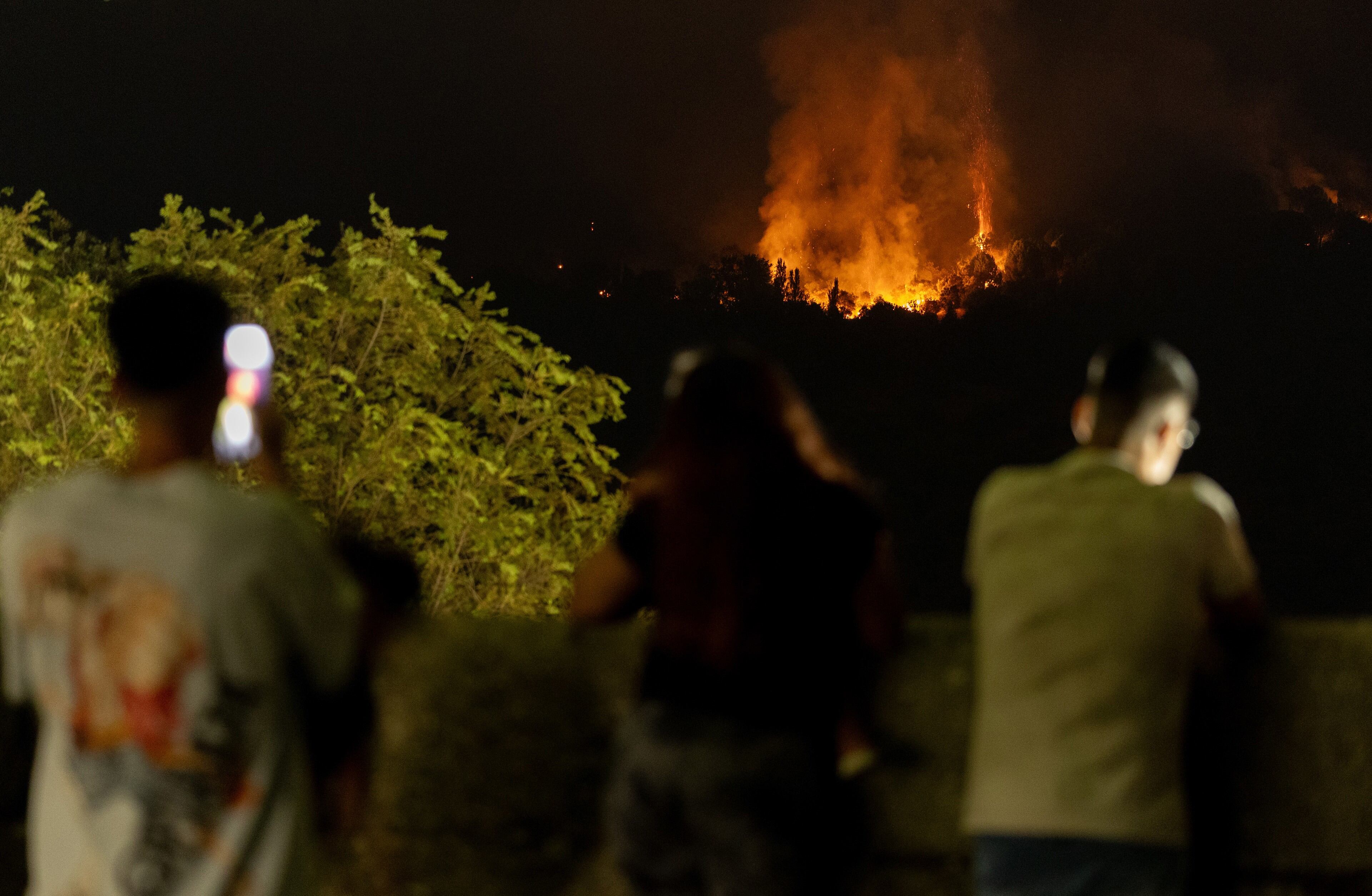
A massive wildfire in the Avila and Madrid regions of Spain is generating its own microclimate, significantly complicating prediction efforts. Despite favorable meteorological conditions present on Sunday, considered the best of the week for combating the blaze, the sheer scale of the fire allows it to alter environmental factors. This self-generated weather pattern makes it exceptionally difficult to forecast the fire's behavior and progression. Firefighters are facing challenges due to the unpredictable nature of the blaze, which is actively modifying the conditions it operates within. The situation highlights the extreme power and impact of large-scale wildfires on their surrounding environments. Authorities are working to manage the situation under these challenging and dynamic circumstances. The ongoing efforts are focused on containment and mitigation despite the unpredictable elements introduced by the fire's microclimate.
The uncontrolled spread of large-scale wildfires, as demonstrated by the Avila-Madrid incident, presents a complex challenge where the fire's own thermal dynamics can override prevailing weather patterns. This phenomenon underscores the escalating difficulty in wildfire management due to climate change, which can intensify fire behavior and create unpredictable microclimates. Future strategies may need to incorporate advanced atmospheric modeling that accounts for these self-generated weather systems. The event also raises questions about resource allocation and the preparedness of response teams when faced with fires of such magnitude and complexity. Effective long-term solutions will likely require a multi-faceted approach, combining enhanced prediction technologies with proactive land management and climate change mitigation efforts.
AI-generated to prompt reflection — not editorial opinion, not advice, not a statement of fact. How this works.