Awami League's political fate to be decided through legal process: Home Minister
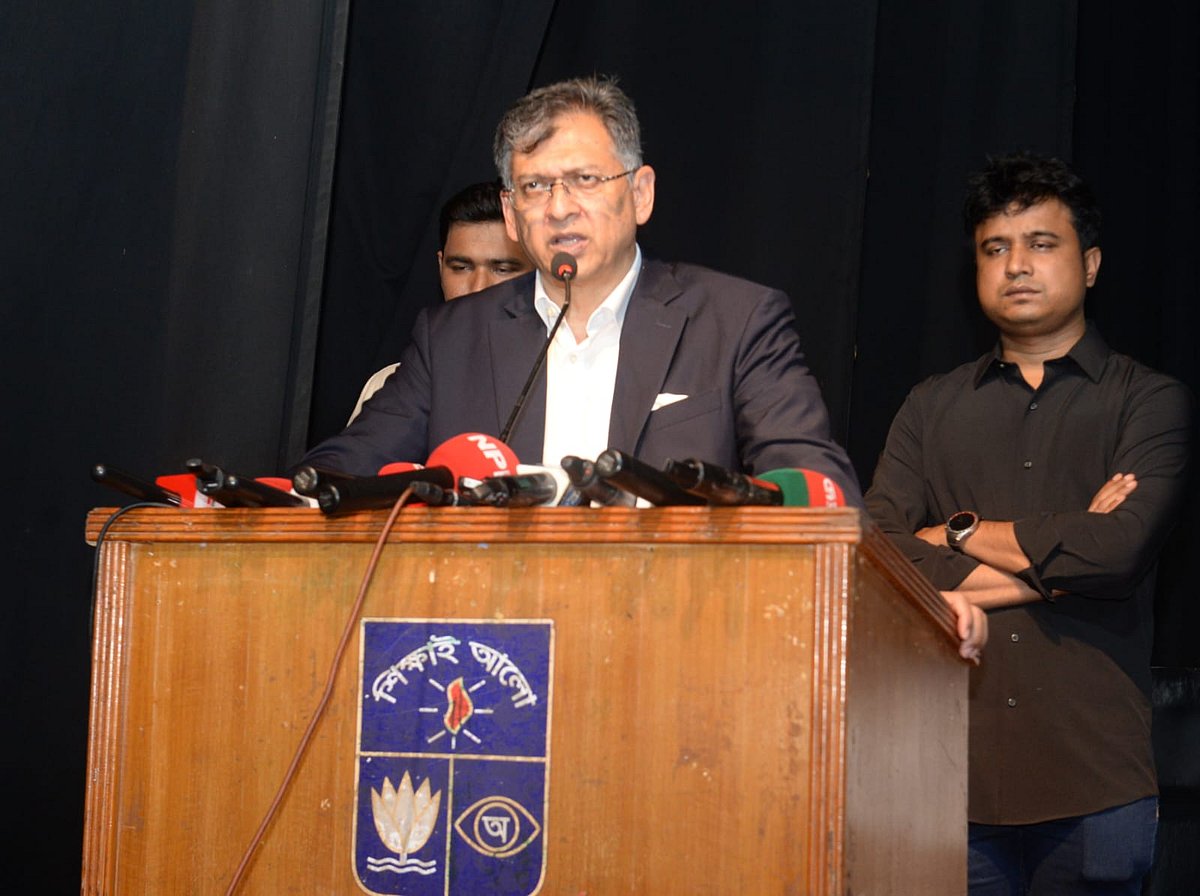
Bangladesh's Home Minister has stated that the Awami League's political future will be determined through legal procedures. He further elaborated that Ganabhaban, the official residence of the Prime Minister, is being transformed into a 'July Memory Museum'. This initiative is intended to serve as a lesson for future governments regarding the consequences of autocratic rule. The minister's remarks suggest a focus on institutional and legal mechanisms to shape the political landscape, rather than purely political maneuvering. The establishment of a museum dedicated to the 'July memory' implies a historical reflection on past events and their impact on governance. This move could be interpreted as an attempt to underscore the importance of democratic processes and accountability. The Home Minister's announcement signals a commitment to transparency and adherence to the rule of law in political transitions.
The Home Minister's statement frames the Awami League's political trajectory as subject to legal processes, implying a shift towards institutional governance. The symbolic transformation of Ganabhaban into a 'July Memory Museum' serves as a potent historical marker, intended to educate future administrations on the pitfalls of authoritarianism. This initiative highlights the interplay between historical precedent and contemporary governance, potentially fostering a culture of accountability. By emphasizing legal and historical frameworks, the government appears to be navigating the complexities of political succession and power dynamics, aiming to reinforce democratic norms and prevent the recurrence of autocratic practices. The long-term implications may involve strengthening institutional checks and balances, thereby influencing future political stability and public trust.
AI-generated to prompt reflection — not editorial opinion, not advice, not a statement of fact. How this works.