Awami League's Reorganization Amidst Ban: Can the Party Regain Footing?
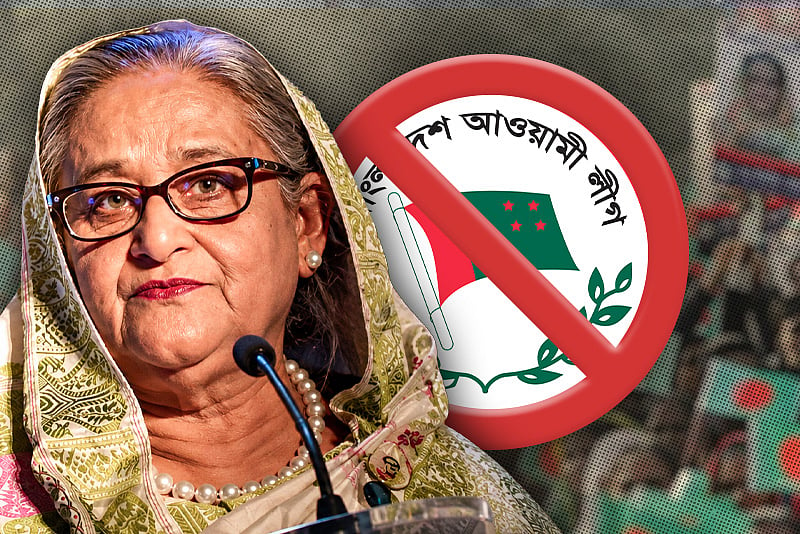
The Awami League, which lost power due to a popular uprising, is currently operating under a ban. Despite these restrictions, the party is making efforts to re-establish its presence in Bangladesh's political landscape. This reorganization is reportedly being undertaken under the directive of Sheikh Hasina, a key figure associated with the party. The move signals a strategic attempt by the Awami League to navigate its current proscribed status and work towards regaining political relevance. The effectiveness of these efforts remains to be seen, given the significant political challenges the party faces. The party's ability to adapt and mobilize under such constraints will be crucial for its future prospects. The current political climate in Bangladesh presents a complex environment for any party seeking to rebuild its influence, especially one operating under a ban.
The Awami League's attempt to reorganize while under a ban, reportedly directed by Sheikh Hasina, presents a case study in political resilience and strategic maneuvering. Operating within legal or political proscriptions often forces parties to explore alternative organizational structures and communication channels. This situation highlights the interplay between party leadership, grassroots mobilization, and the broader political environment. The success of such a reorganization will likely depend on the party's ability to adapt its strategies to the prevailing political conditions, maintain internal cohesion, and effectively communicate its agenda to the electorate, all while navigating the constraints imposed by its current status. The long-term implications may involve shifts in political power dynamics and the evolution of electoral processes within Bangladesh.
AI-generated to prompt reflection — not editorial opinion, not advice, not a statement of fact. How this works.