Ayatollah Khamenei: More Than a Leader, a Poet Who Found Solace in Verse
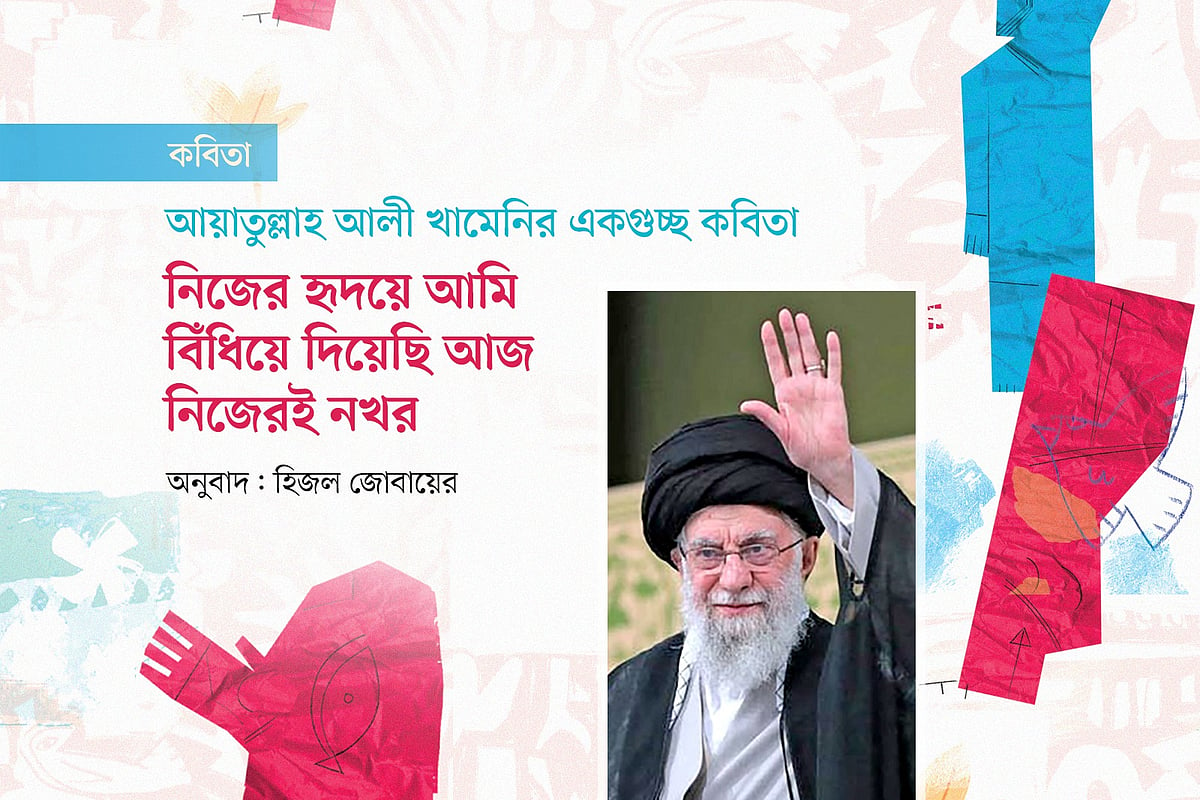
Ayatollah Ali Khamenei, the Supreme Leader of Iran, who recently died in a US drone strike, was also a poet, a lesser-known facet of his identity. While his political ideology remains a subject of debate, his poetry draws from the Sufi spiritual tradition of poets like Hafez and Omar Khayyam. Khamenei's writings reveal a lifelong passion for literature, encompassing Persian, Arabic, and Urdu, as well as Russian, French, and English works. In his youth, he was drawn to existentialist thinkers like Jean-Paul Sartre and philosopher Bertrand Russell. He began writing poetry under the pseudonym 'Amin,' viewing literary pursuits as his life's ultimate goal and often expressing regret for not being able to dedicate himself fully to it. He regularly organized poetry gatherings and held a deep admiration for the Urdu poet and philosopher Muhammad Iqbal. The provided poems, such as 'My Sun' and 'Pure Wine, Blue Poison,' explore themes of self-discovery, spiritual longing, the struggle with ego, and the pain of unexpressed emotions, often using metaphors of light and darkness, and the duality of human nature. One poem, 'My Heart,' speaks of entrusting his heart to someone who has forgotten, while his own memory remains. Another, 'Dilkaba,' describes a beloved as a guiding light in darkness and a plea sent to their court.
The revelation of Ayatollah Khamenei's extensive literary and poetic pursuits offers a complex lens through which to view his public persona. While his political leadership was marked by ideological rigidity and international tension, his poetry suggests an internal landscape grappling with existential themes, spiritual yearning, and personal introspection. This duality highlights the potential for individuals in positions of immense power to harbor private passions and contemplative lives that diverge from their public roles. Examining this facet prompts consideration of how personal philosophies, even those expressed through art, might interact with or be constrained by the demands of statecraft. It underscores the human capacity for multifaceted identity, even for figures often perceived through a singular, political lens, and invites reflection on the systemic pressures that may shape the expression of such private selves within public life.
AI-generated to prompt reflection — not editorial opinion, not advice, not a statement of fact. How this works.