Ayatollah Khamenei's Body Taken to Iraq Amidst Iran-US Retaliatory Strikes
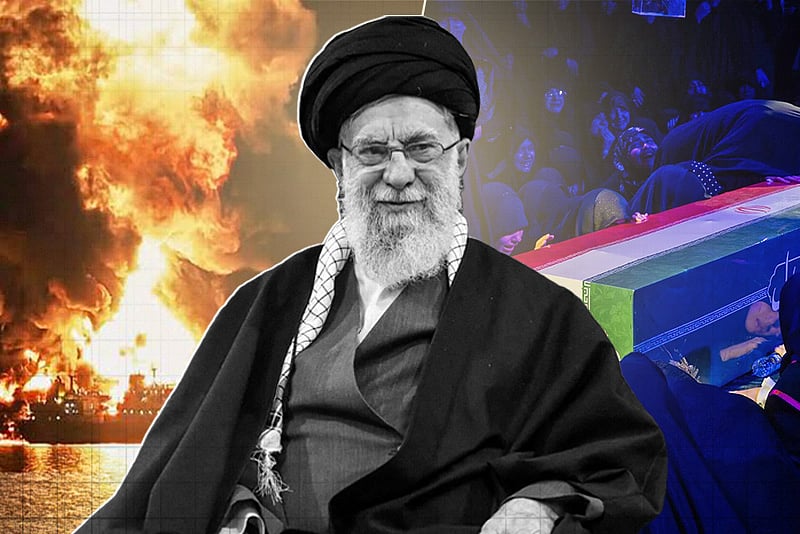
The body of Iran's late Supreme Leader, Ayatollah Ali Khamenei, has been transported to Iraq amidst a six-day period of official mourning. This development occurs as the Middle East has become newly inflamed by retaliatory attacks between Iran and the United States. The region is experiencing heightened tensions due to these escalating actions. The transfer of Khamenei's remains to Iraq adds a significant layer to the already volatile geopolitical situation. The ongoing exchanges of strikes between the two nations have created an atmosphere of uncertainty and concern across the Middle East. This period of mourning and the international military actions are unfolding concurrently, highlighting the complex and precarious state of regional stability. The implications of these combined events are being closely watched by international observers.
The concurrent events of the transfer of Ayatollah Khamenei's remains to Iraq and the retaliatory strikes between Iran and the United States present a complex geopolitical juncture. The movement of a significant religious and political figure's remains into a neighboring country, particularly Iraq, during a period of heightened regional military tension, could be interpreted through various strategic lenses. It may serve symbolic purposes, potentially aiming to galvanize regional support or influence perceptions of power dynamics. The escalation of direct or indirect conflict between Iran and the United States introduces significant volatility, driven by established security doctrines and perceived threats. Understanding the interplay between these internal and external pressures will be crucial in assessing the trajectory of regional stability over the next decade, particularly as technological advancements in warfare and information dissemination continue to evolve.
AI-generated to prompt reflection — not editorial opinion, not advice, not a statement of fact. How this works.