Ayatollah Mojtaba Khamenei Vows Revenge for Father's Martyrdom
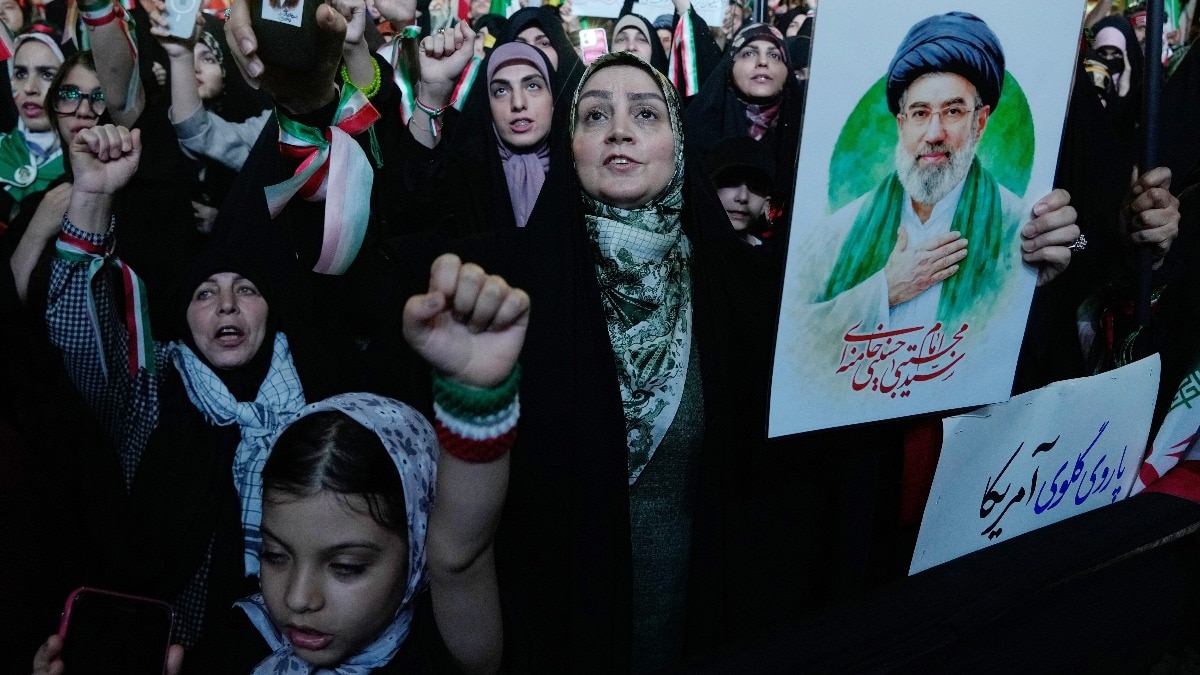
Ayatollah Mojtaba Khamenei, son of Iran's Supreme Leader Ayatollah Ali Khamenei, has issued a written statement vowing to avenge the blood of his martyred father. He declared that this revenge is a demand of the Iranian nation and will be exacted under all circumstances. Mojtaba also expressed gratitude to those who participated in his father's funeral procession. The statement signifies a strong commitment to retribution following the death of Ayatollah Ali Khamenei, who was Iran's highest authority. The vow suggests a potential escalation of tensions and a continuation of policies aimed at avenging perceived injustices. The inclusion of 'all those martyred in two wars' broadens the scope of the intended retribution beyond his father's death. This declaration is likely to be closely watched by regional and international actors.
The statement by Mojtaba Khamenei, vowing revenge for his father's death, frames the event through a lens of national demand and retribution. This narrative serves to consolidate domestic support and project an image of unwavering resolve. From a geopolitical perspective, such pronouncements often signal a continuation of existing foreign policy doctrines, potentially involving asymmetric responses or heightened regional posturing. The emphasis on national demand suggests an attempt to legitimize future actions as a collective will, rather than solely an individual or state directive. The long-term implications may involve increased regional instability, as adversaries interpret such vows as direct threats, potentially leading to a cycle of escalation. The Iranian state's governance structure, with its emphasis on religious and revolutionary legitimacy, often utilizes such symbolic language to mobilize its base and assert its ideological commitments on the international stage.
AI-generated to prompt reflection — not editorial opinion, not advice, not a statement of fact. How this works.