Azad Jammu and Kashmir Legislative Assembly elections: Second phase polling on Sunday
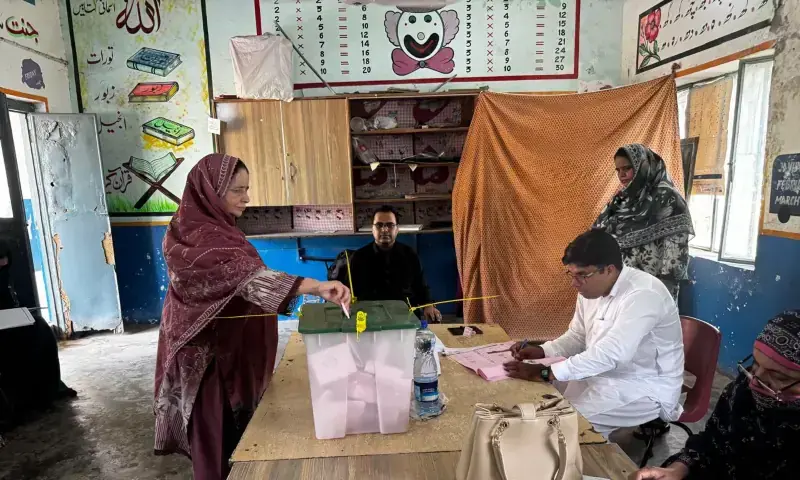
The second phase of elections for the Azad Jammu and Kashmir (AJK) Legislative Assembly is scheduled for Sunday, covering nine constituencies within the Muzaffarabad division and all 12 constituencies designated for Kashmiri refugees residing in Pakistan. A total of 21 seats are up for grabs, with over 340 candidates competing. Specifically, 207 candidates are vying for the nine seats in Muzaffarabad division, which includes five in Muzaffarabad district and two each in Neelum and Jhelum Valley districts. An additional 137 candidates are contesting the 12 refugee constituencies, divided equally between those from the Kashmir Valley and Jammu. The electorate for the Muzaffarabad division comprises 809,621 registered voters, while the refugee constituencies have 438,834 registered voters. In anticipation of the elections, internet services were suspended on Friday, less than 45 hours after being restored, to prevent disruptions. These services are expected to resume on Sunday. The AJK Election Commission has confirmed that polling will proceed as planned from 8 am to 5 pm without breaks. Election materials have been distributed to all polling stations in the refugee constituencies and largely in Neelum and Jhelum Valley districts, with final distribution underway in Muzaffarabad district. Polling staff have been deployed under strict security. Across Muzaffarabad division, 1,483 polling stations have been set up, with a significant portion categorized as highly sensitive (533) or sensitive (741). For the refugee constituencies, 1,057 polling stations have been established. Chief Election Commissioner Justice (retd) Ghulam Mustafa Mughal encouraged voters to participate, emphasizing the vote as a crucial tool for selecting capable leadership and fulfilling a national responsibility.
The upcoming election phase in Azad Jammu and Kashmir highlights the logistical complexities of conducting democratic processes in regions with specific security concerns, evidenced by the temporary suspension of internet services. This measure, while aimed at ensuring electoral integrity, also raises questions about information access and potential impacts on voter engagement. The significant number of sensitive polling stations underscores the prevailing security environment and the resources required to manage the electoral process. As the region navigates its political future, the emphasis on voter participation and responsible citizenship, as articulated by the Chief Election Commissioner, points to the ongoing efforts to strengthen democratic institutions. The long-term implications will depend on the ability to balance security imperatives with the facilitation of transparent and accessible elections, fostering trust in the electoral system for future governance.
AI-generated to prompt reflection — not editorial opinion, not advice, not a statement of fact. How this works.