Azerbaijan and Armenia have achieved de facto peace, says Foreign Minister Bayramov
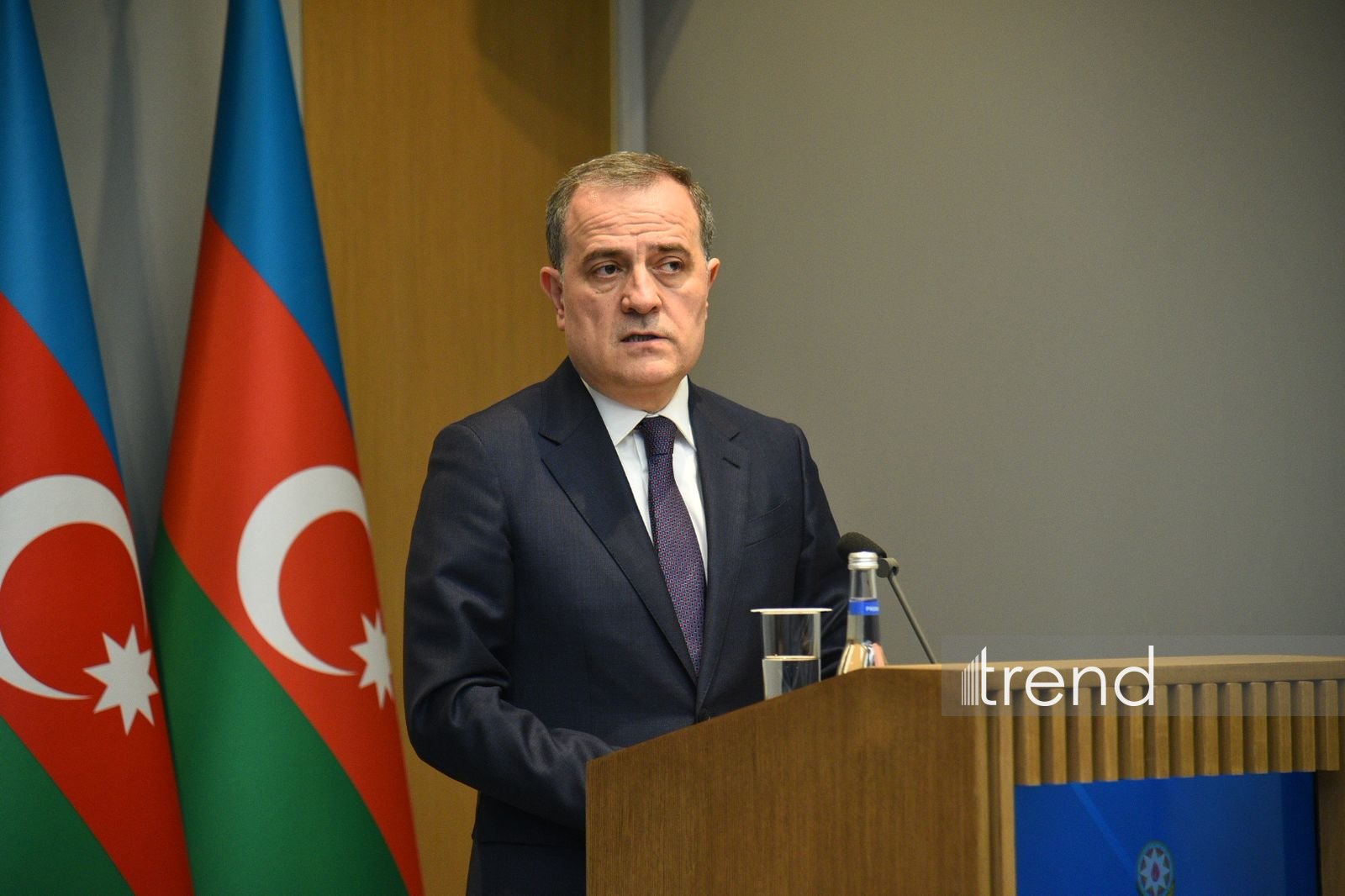
Azerbaijani Foreign Minister Jeyhun Bayramov has stated that a de facto peace has been established between Azerbaijan and Armenia. This declaration suggests a significant shift in the relationship between the two nations, moving towards a more stable and peaceful coexistence. The statement implies that despite potential ongoing complexities, the practical realities on the ground now reflect a state of peace. This development could pave the way for further diplomatic engagement and resolution of outstanding issues. The minister's assertion highlights a critical juncture in the South Caucasus region's geopolitical landscape. It indicates a potential end to decades of conflict and animosity. The establishment of de facto peace is a crucial step towards formalizing relations and fostering long-term stability. This could lead to increased economic cooperation and cultural exchange. The international community will likely observe these developments closely, anticipating further steps towards a comprehensive peace agreement.
The declaration of de facto peace by Azerbaijan's Foreign Minister Jeyhun Bayramov signals a potential recalibration of regional dynamics. This assertion, if reflective of on-the-ground realities and mutual de-escalation, could reduce the immediate risk of renewed hostilities. However, the term 'de facto' implies that formal agreements may still be pending, suggesting that underlying political and territorial disputes may persist. Future stability will likely depend on the commitment of both nations to sustained dialogue, addressing historical grievances, and establishing robust mechanisms for conflict prevention and resolution. The long-term implications for regional security and economic integration will hinge on the ability to translate this de facto peace into a lasting, formalized accord.
AI-generated to prompt reflection — not editorial opinion, not advice, not a statement of fact. How this works.
