Azerbaijan: "De Facto Peace Exists" Between Armenia and Azerbaijan, Says FM Bayramov
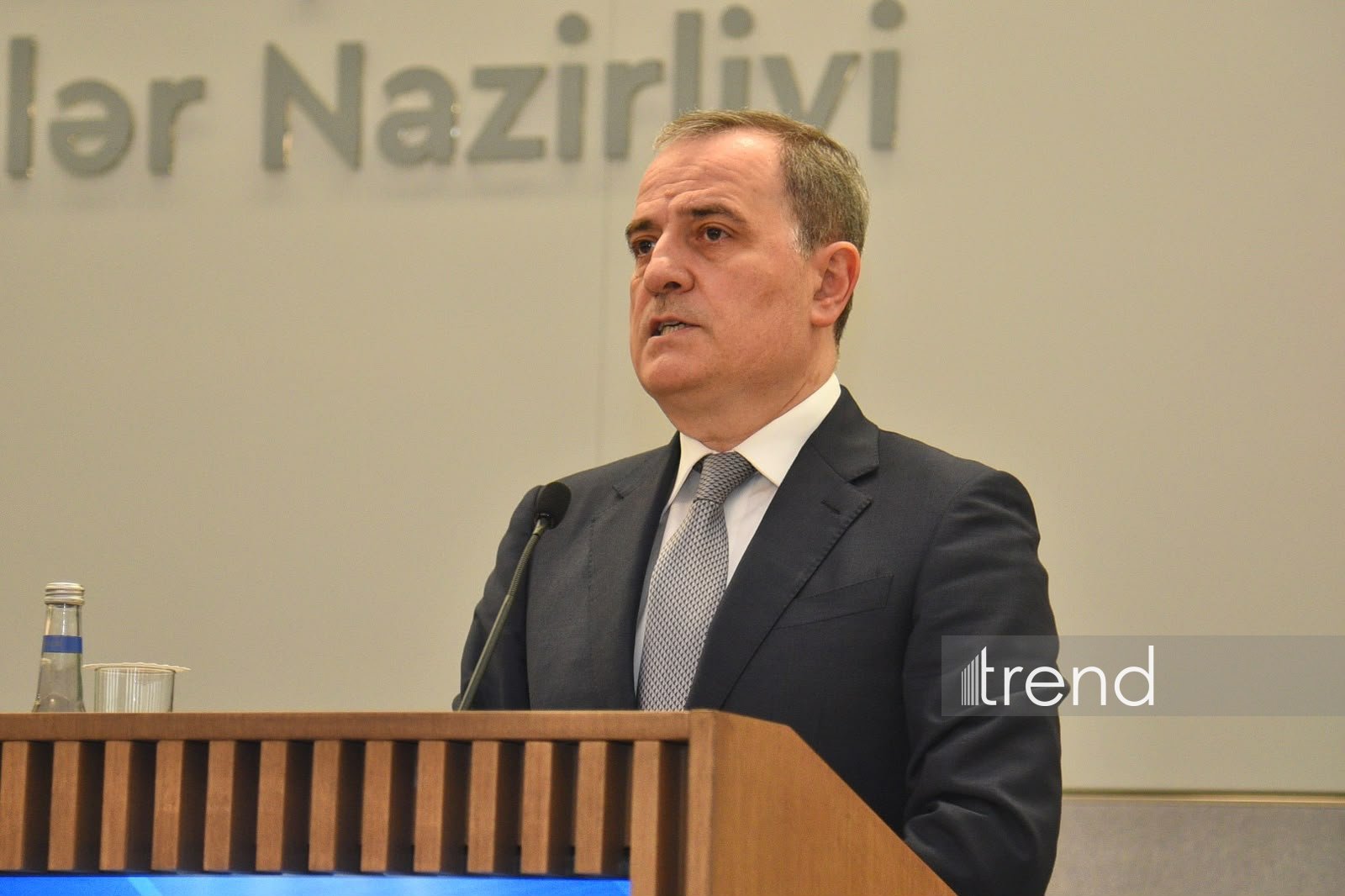
Azerbaijani Foreign Minister Jeyhun Bayramov stated that a "de facto peace" currently exists between Armenia and Azerbaijan. This assertion comes amid ongoing efforts to normalize relations between the two South Caucasus nations, which have been locked in a protracted conflict over the Nagorno-Karabakh region. Despite the absence of a formal peace treaty, Bayramov's comments suggest a perceived stabilization of the situation on the ground. The Azerbaijani government has consistently emphasized its commitment to concluding a peace agreement with Armenia based on specific principles. These principles typically include mutual recognition of territorial integrity and sovereignty, and the establishment of clear border delimitations. Bayramov's remarks may signal a belief within Baku that the conditions are ripening for a formalization of this de facto peace. However, the path to a lasting settlement remains complex, with historical grievances and unresolved issues still posing significant challenges. International mediation efforts have been ongoing, aiming to bridge the remaining gaps between the two sides. The ultimate success of these endeavors will depend on the willingness of both Yerevan and Baku to make necessary compromises and adhere to agreed-upon frameworks.
The assertion of a "de facto peace" by Azerbaijan's Foreign Minister Jeyhun Bayramov highlights a divergence in perspectives regarding the current state of Armenia-Azerbaijan relations. While Baku may perceive a cessation of active hostilities as a form of peace, the absence of a formal treaty and the presence of underlying unresolved issues suggest that this state is fragile and potentially temporary. This framing could be interpreted as a strategic communication tactic to influence ongoing negotiations or international perceptions, emphasizing progress while potentially downplaying the need for further concessions. The long-term sustainability of such a de facto peace hinges on addressing core disputes, including border demarcation and the rights of displaced populations, which require sustained diplomatic engagement and mutual trust-building measures. The next decade will likely test the resilience of this informal peace against evolving geopolitical dynamics and the imperative for a legally binding resolution.
AI-generated to prompt reflection — not editorial opinion, not advice, not a statement of fact. How this works.