Azerbaijan Food Safety Agency Discovers Over 49,000 Altered Product Dates
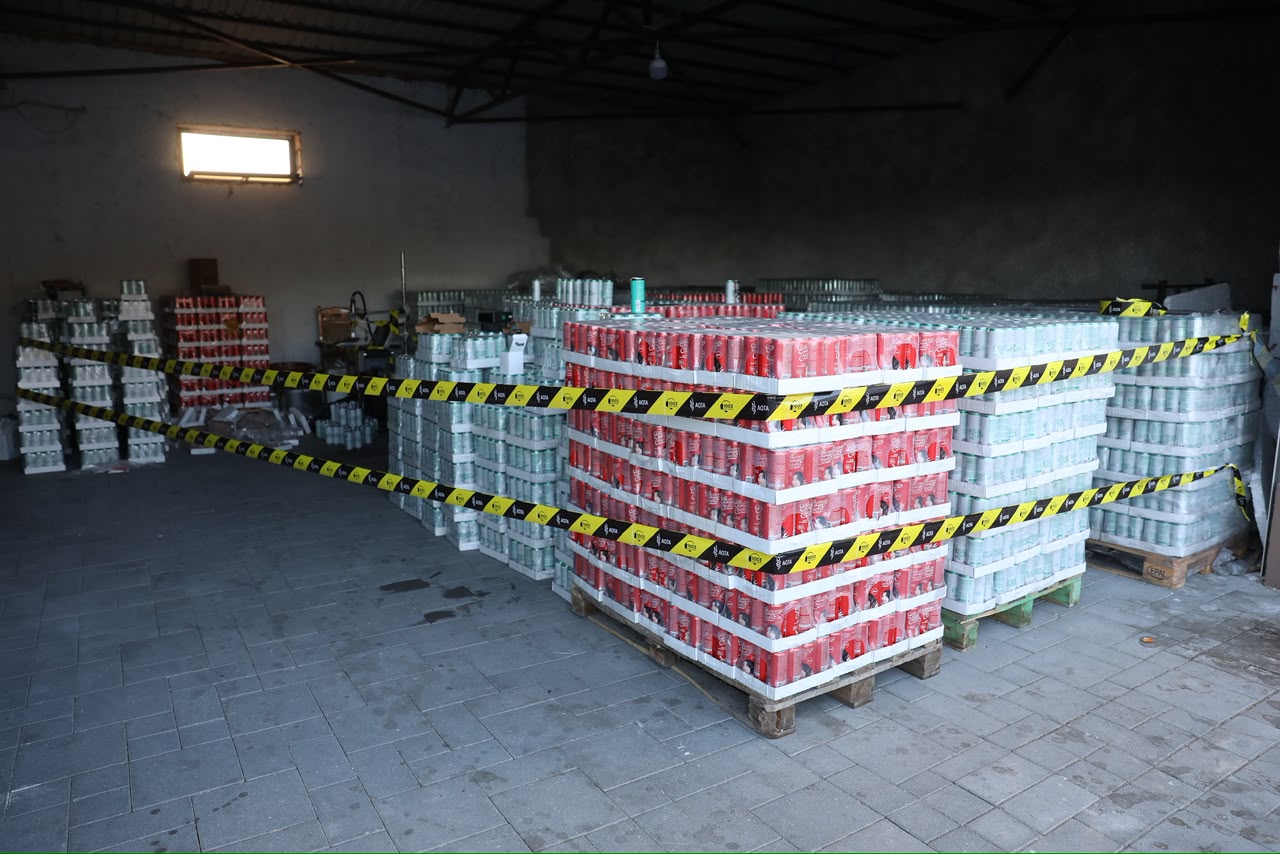
The Azerbaijan Food Safety Agency (AQTA) has uncovered a significant case of product date manipulation, involving more than 49,000 items. The agency's investigation revealed that the expiration dates on these products had been altered, suggesting an attempt to extend their shelf life beyond legal or safe limits. This discovery raises serious concerns about consumer safety and the integrity of food supply chains within the country. AQTA has not yet released specific details on the types of products involved or the exact locations where the altered goods were found. However, the sheer volume of over 49,000 items indicates a potentially widespread issue. The agency is expected to provide further updates as its investigation progresses, including information on any enforcement actions or penalties that may be imposed. This incident underscores the importance of regulatory oversight in preventing the distribution of potentially unsafe or mislabeled food products to the public. Consumers are advised to remain vigilant and report any suspicious products to AQTA.
This incident highlights a critical failure in supply chain oversight and quality control, potentially driven by economic incentives to maximize profit margins by extending product viability. The scale of the discovered date alterations suggests systemic vulnerabilities rather than isolated incidents. Regulatory bodies like AQTA play a crucial role in safeguarding public health, but such discoveries indicate a need for enhanced surveillance technologies and stricter enforcement mechanisms. Looking ahead, the integration of blockchain or other immutable ledger technologies could offer greater transparency and traceability in food supply chains, mitigating risks associated with tampering. This event also prompts a discussion on consumer trust and the long-term implications for brands and retailers if such practices become widespread, potentially eroding confidence in the market.
AI-generated to prompt reflection — not editorial opinion, not advice, not a statement of fact. How this works.