Azerbaijan's President Aliyev Criticizes French Overseas Policies
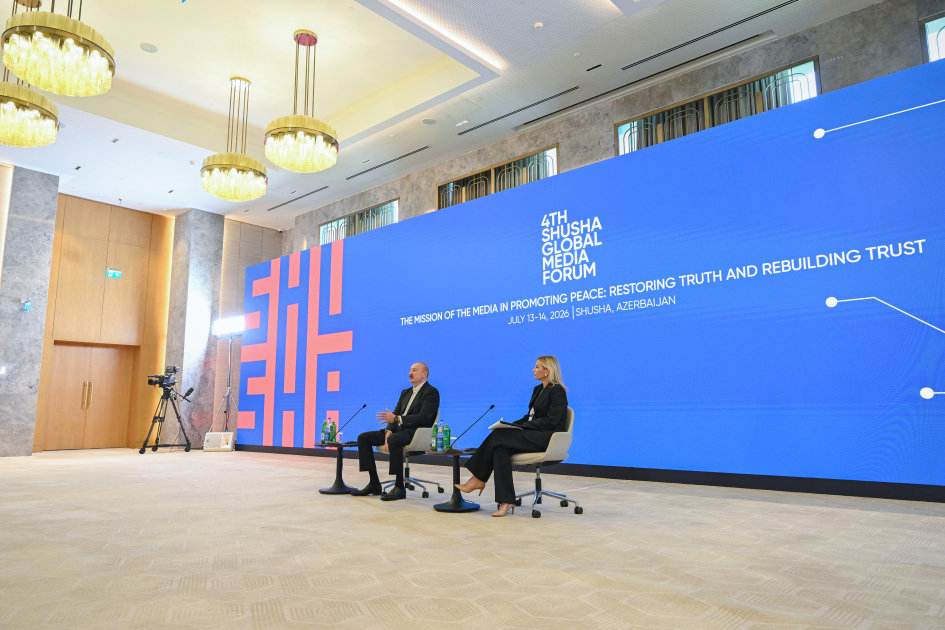
President Ilham Aliyev of Azerbaijan has stated that France's policies concerning its overseas territories have been causing suffering for many years. He highlighted that these French policies have negatively impacted these regions over an extended period. The President's remarks point to a long-standing issue with France's approach to its overseas possessions. This criticism suggests a perceived injustice or detrimental effect stemming from French governance in these territories. The statement implies that these regions have endured significant hardship due to the established French policies. President Aliyev's comments are a direct critique of France's historical and ongoing engagement with its overseas territories. The duration mentioned, 'long years,' emphasizes the persistent nature of the problem. This highlights a pattern of negative consequences associated with France's administration of these geographically distant areas. The statement serves as a public denouncement of French foreign policy regarding its overseas territories.
President Aliyev's statement frames France's overseas policies as a source of prolonged suffering. This perspective could be interpreted as a geopolitical maneuver, potentially aimed at garnering support or influencing international discourse on colonial legacies and self-determination. The criticism, while framed in terms of humanitarian concern, may also serve Azerbaijan's strategic interests by challenging a major European power's global influence. Evaluating this claim requires examining the specific historical context, governance structures, and socio-economic conditions within France's overseas territories, as well as the broader implications of such critiques on international relations and the principle of state sovereignty. The long-term impact of such policies, both for the territories and for France's international standing, warrants consideration in light of evolving global norms regarding decolonization and equitable development.
AI-generated to prompt reflection — not editorial opinion, not advice, not a statement of fact. How this works.