Azimio Senators Remove Deputy Minority Whip Amid Allegations of Ruto's Influence
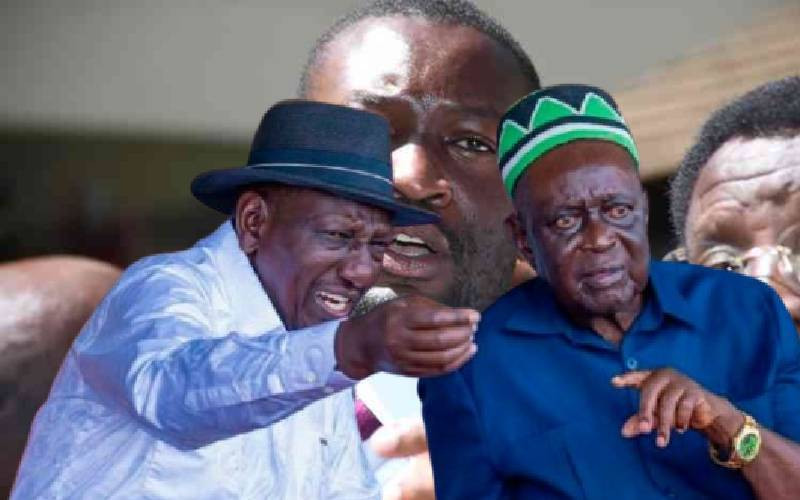
Edwin Sifuna has been removed from his position as the Senate Deputy Minority Whip. The decision followed a contentious meeting among Azimio senators, which has led to internal divisions within the coalition. Reports suggest that President William Ruto may have played a role in influencing this outcome. The meeting reportedly involved discussions where Sifuna's removal was a key agenda item. The specific details of the meeting and the extent of any external influence remain a subject of discussion among political observers. This development signals potential shifts in the Azimio coalition's leadership and strategy in the Senate. The removal comes at a critical juncture for the opposition, potentially impacting their legislative agenda and unity. Further details regarding the senators involved and the precise nature of the alleged influence are expected to emerge.
The reported meeting and subsequent removal of a key opposition figure, potentially influenced by the executive, highlights the complex interplay between political parties and governance structures. Such events can be analyzed through the lens of power dynamics and coalition stability. The incentive for external influence, if present, may stem from a desire to weaken opposition cohesion or shape legislative outcomes. From a governance perspective, this raises questions about the autonomy of legislative caucuses and the potential for undue influence on internal party decisions. Looking ahead, the ability of opposition coalitions to maintain internal discipline and strategic independence will be crucial in a landscape increasingly shaped by technological advancements and evolving public discourse. Understanding these dynamics is key to assessing the health of democratic institutions and their resilience in the face of political maneuvering.
AI-generated to prompt reflection — not editorial opinion, not advice, not a statement of fact. How this works.