Azul Airlines Increases Flights Between Rondônia and Mato Grosso in September
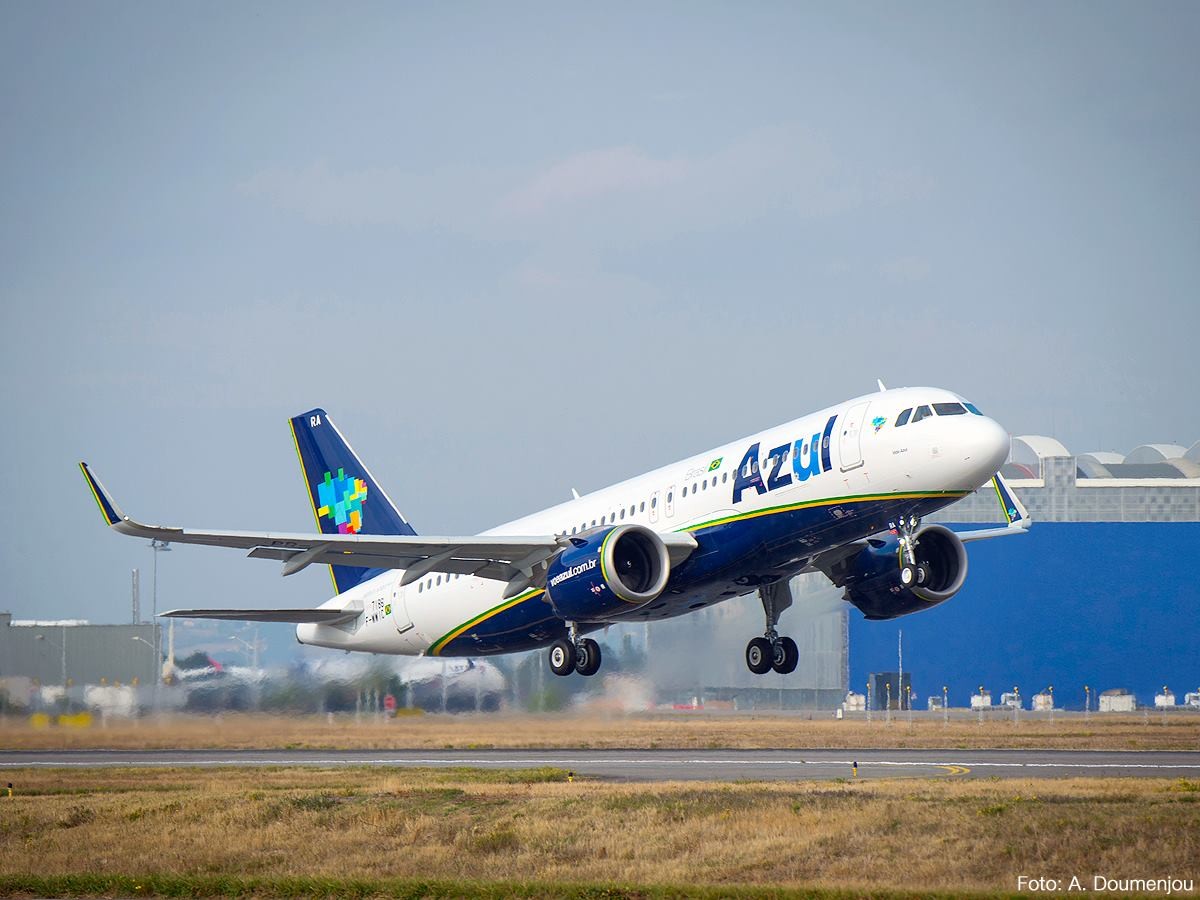
Azul Linhas Aéreas will expand its flight offerings between Rondônia and Mato Grosso starting in September. Routes connecting Porto Velho, Ji-Paraná, and Vilhena to Cuiabá will see an increase in weekly frequencies. The most significant change will be on the Porto Velho to Cuiabá route, which will increase from two to six weekly flights in each direction. Additionally, the connections between Cuiabá and Ji-Paraná, and between Cuiabá and Vilhena, will also be enhanced. These two routes currently operate with four weekly flights (round trip) and will increase to six weekly frequencies beginning in September. According to Azul, this expansion is part of a strategy to strengthen connectivity between Rondônia and Mato Grosso, thereby improving passenger access to the airline's network of connections. Since April, Azul has also been operating flights between Cuiabá and Cacoal four times a week. The airline has also expanded operations connecting Ji-Paraná, Vilhena, and Cacoal to Viracopos Airport in Campinas, São Paulo. Furthermore, flight frequency between Porto Velho and Confins, Minas Gerais, has been increased from three weekly flights to daily service.
The airline's strategic expansion of routes between Rondônia and Mato Grosso, particularly the significant increase in frequencies on key city pairings, aims to capitalize on growing regional demand and leverage its hub in Cuiabá. This move reflects a broader trend in aviation to enhance connectivity within developing regions, potentially stimulating economic activity and facilitating business and personal travel. The airline's investment in these routes suggests a long-term outlook on the region's potential, anticipating increased passenger volume as a result of improved accessibility. This strategy could also serve to preempt competitors by establishing a dominant presence, thereby securing market share in these growing corridors. The focus on connecting smaller cities to major hubs is a critical component for fostering regional development in the digital age.
AI-generated to prompt reflection — not editorial opinion, not advice, not a statement of fact. How this works.