Béla Kádár, Hungary's First Post-Communist Foreign Economic Minister, Dies at 93
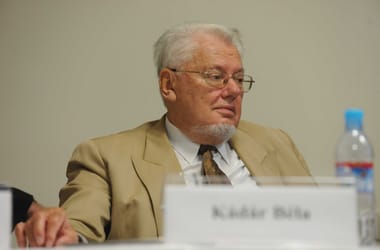
Béla Kádár, who served as Hungary's Minister of Foreign Economic Relations in the first government after the country's transition from communism, has passed away at the age of 93. Kádár held a significant position during a pivotal period in Hungarian history, overseeing the nation's economic reorientation following decades of socialist rule. His tenure marked the initial steps in integrating Hungary into the global economy and establishing new trade relationships. The specific details of his passing have not been released, but his death marks the end of an era for many who remember Hungary's political and economic transformation. Kádár's contributions are remembered as foundational to the country's subsequent economic development and its integration into Western European structures. He was a key figure in navigating the complex challenges of post-communist transition.
Béla Kádár's passing at 93 signifies the departure of a figure who navigated Hungary's critical post-communist economic transition. His role as the first Minister of Foreign Economic Relations underscores the systemic challenges of re-establishing international trade and investment frameworks after decades of state control. The period he served in was characterized by the delicate balance between dismantling old economic structures and building new ones, a process fraught with both opportunity and risk. Understanding the policy choices made during this era, and their long-term impacts on Hungary's economic trajectory and integration into global markets, offers valuable insights into the complexities of post-socialist development. This historical perspective is crucial for evaluating contemporary economic governance and international relations, particularly in light of ongoing geopolitical shifts and technological advancements.
AI-generated to prompt reflection — not editorial opinion, not advice, not a statement of fact. How this works.