Búzios Officials Arrested in Nautical Event Corruption Scheme
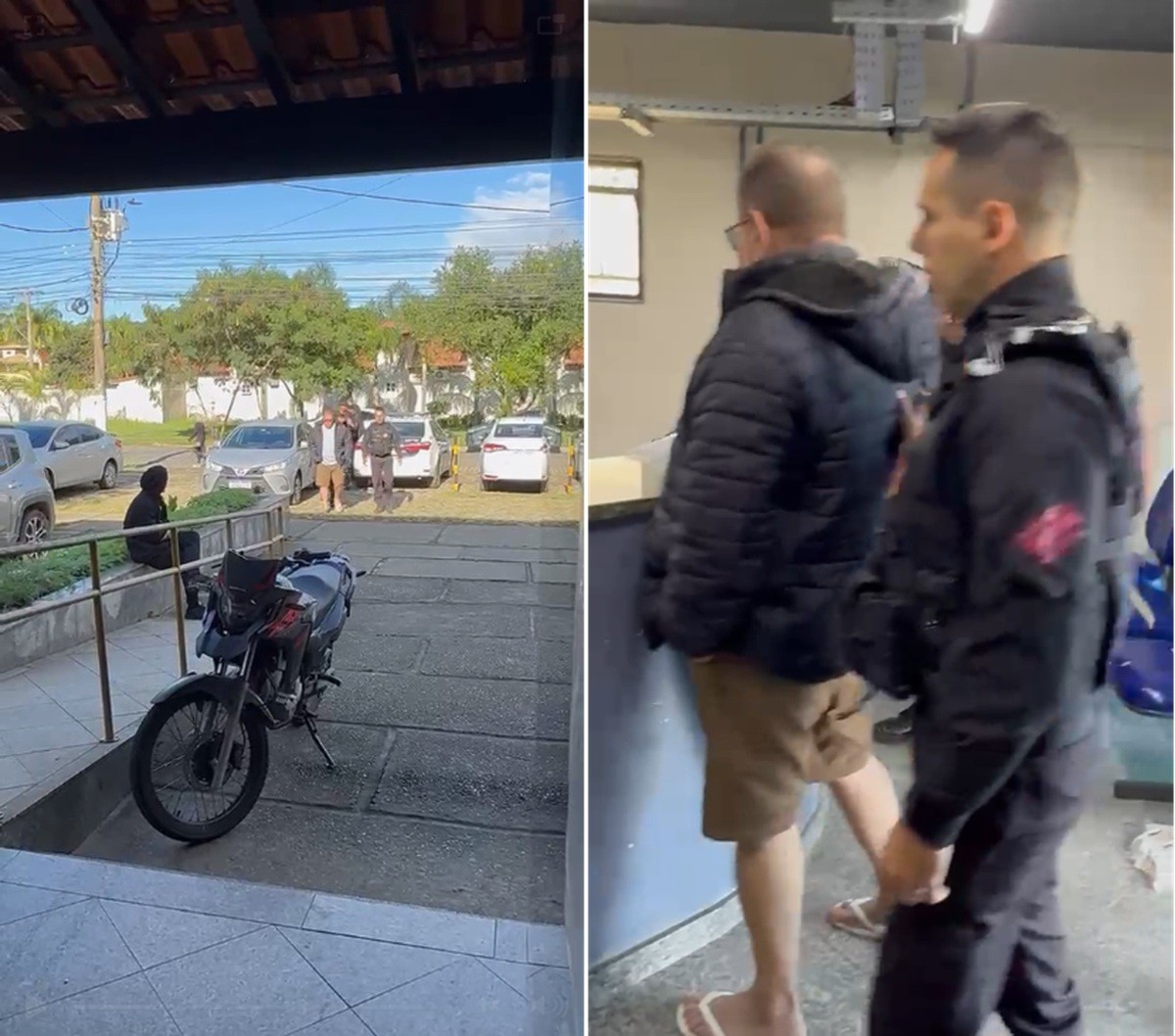
The Deputy Secretary of Búzios, Sérgio Ferreira, and the Coordinator of Traffic and Transport, Igenes Lopes Santos Filho (also known as Geninho) and current president of CooperBúzios, have been arrested in Rio de Janeiro state, Brazil, in connection with a corruption scheme involving nautical events. The arrests were ordered by the Justiça and carried out by the Coordenadoria de Segurança e Inteligência (CSI) of the Ministério Público do Rio de Janeiro (MP-RJ). According to the MP's investigation, four individuals were indicted for allegedly charging between R$ 1,000 and R$ 3,000 to permit the organization of these events without formal permits and to forgo oversight. The accused face charges of criminal organization, corruption, and money laundering. Investigators identified at least 38 instances of corrupt practices. The scheme is believed to have operated from January 2021 to March 2026. In addition to preventive arrests, judicial orders include searches and seizures at the defendants' residences and the freezing of assets up to R$ 500,000. The court also mandated the suspension of the accused from their public functions. Attempts to reach the defense for the arrested officials and the Búzios City Hall for comment were unsuccessful at the time of reporting.
This case highlights potential governance vulnerabilities in municipal event permitting and oversight processes, particularly in tourist-heavy regions. The alleged scheme, involving illicit payments for unapproved and unfiscalized nautical events, suggests a possible disconnect between regulatory frameworks and their practical enforcement. Such practices can undermine fair competition, public safety, and the integrity of local government functions. Moving forward, strengthening internal controls, enhancing transparency in permit issuance and fee collection, and implementing robust independent auditing mechanisms could mitigate future risks. Establishing clear lines of accountability and fostering a culture of ethical conduct among public officials are crucial for maintaining public trust and ensuring efficient resource management within local administrations.
AI-generated to prompt reflection — not editorial opinion, not advice, not a statement of fact. How this works.