Baía do Sancho Beach in Fernando de Noronha Ranks Among World's Top 50
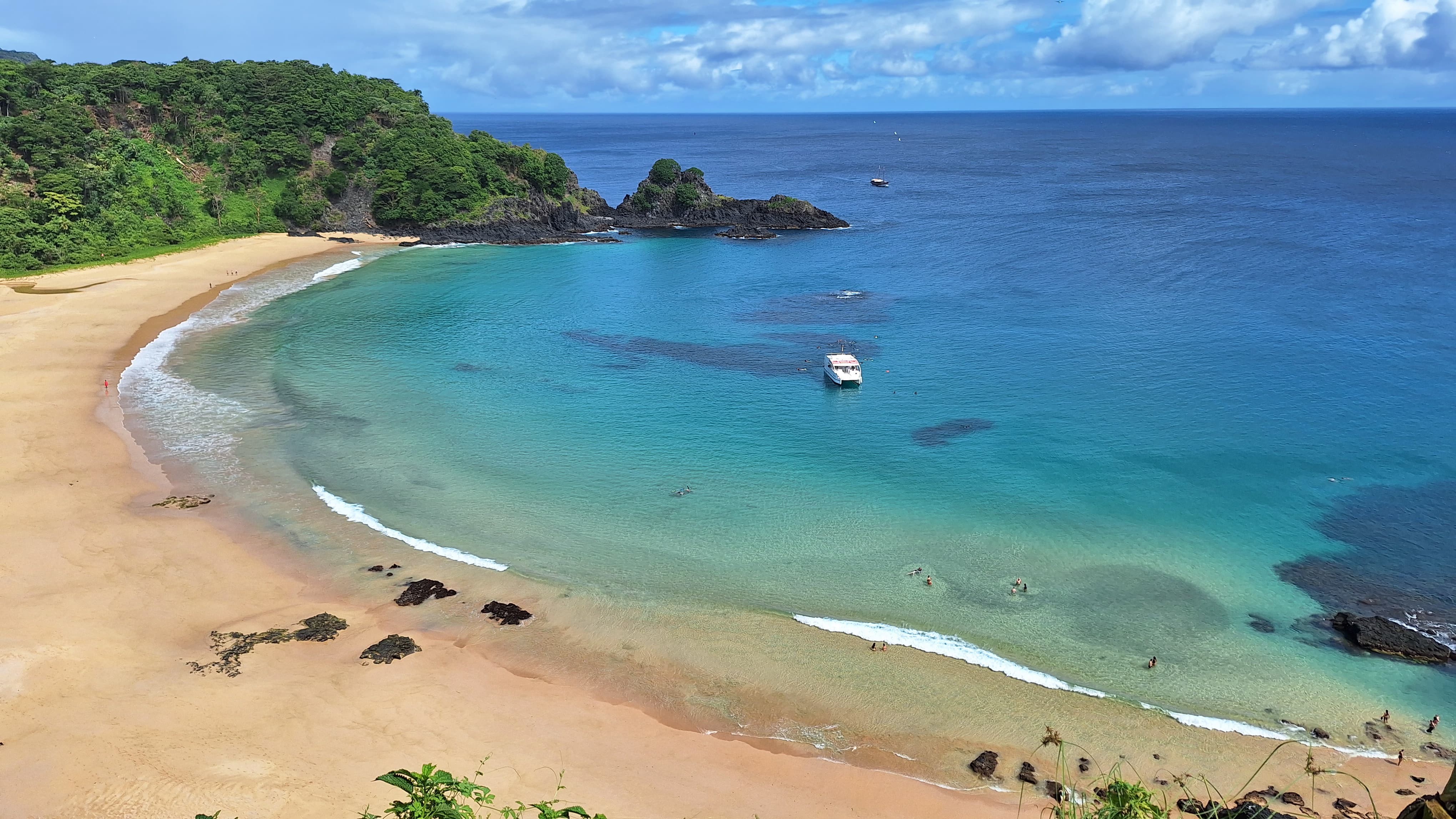
Baía do Sancho, located within the Fernando de Noronha National Marine Park, has secured the 33rd position on the "The World's 50 Best Beaches" list. This prestigious ranking celebrates the globe's premier beaches, with Baía do Sancho described as embodying the essence of a remote beach paradise. The publication specifically highlighted the beach's surrounding cliffs, its crystal-clear emerald waters, and its golden sandy shore. Ailton Flor, president of the Fernando de Noronha Tourism Council, stated that this award reinforces the island's status as a leading ecotourism destination. He emphasized that the international recognition enhances Noronha's image, underscores its commitment to environmental preservation and sustainable tourism, and boosts the destination's visibility, thereby contributing to the growth of its tourism sector. While Baía do Sancho is renowned for its beauty, swimming in its waterfalls, which appear during the rainy season from March to July, is prohibited by the Chico Mendes Institute for Biodiversity Conservation (ICMBio) for safety reasons. Another Brazilian beach, Pontal do Atalaia in Arraial do Cabo, also made the list at 44th place. Access to Baía do Sancho is available via a challenging staircase built into a cliff over 50 meters high, involving metal and stone steps, or through boat tours operated by authorized vessels within the park. Baía do Sancho has previously received international acclaim, having been named the world's best beach six times by TripAdvisor in the years 2014, 2015, 2017, 2019, 2020, and 2023. Visitors to the Fernando de Noronha National Marine Park must purchase an entrance ticket, priced at R$192 for Brazilians and R$384 for foreign visitors.
This ranking highlights Baía do Sancho's enduring appeal as a natural wonder, reinforcing Fernando de Noronha's brand as a premium ecotourism and sustainable destination. The international recognition provides a significant marketing advantage, potentially driving increased visitor numbers and revenue. However, this success also presents a systemic challenge: balancing growing tourism demand with the imperative of environmental preservation within a protected marine park. The pricing structure for park entry, significantly higher for international visitors, reflects a strategy to manage visitor flow and potentially generate revenue for conservation efforts, though it may also impact accessibility. Future management will need to navigate the economic benefits of tourism against the ecological fragility of the site, particularly as global travel trends evolve and climate change impacts coastal environments.
AI-generated to prompt reflection — not editorial opinion, not advice, not a statement of fact. How this works.