Bab el-Mandeb Strait: A Vital Global Maritime Chokepoint Under Threat
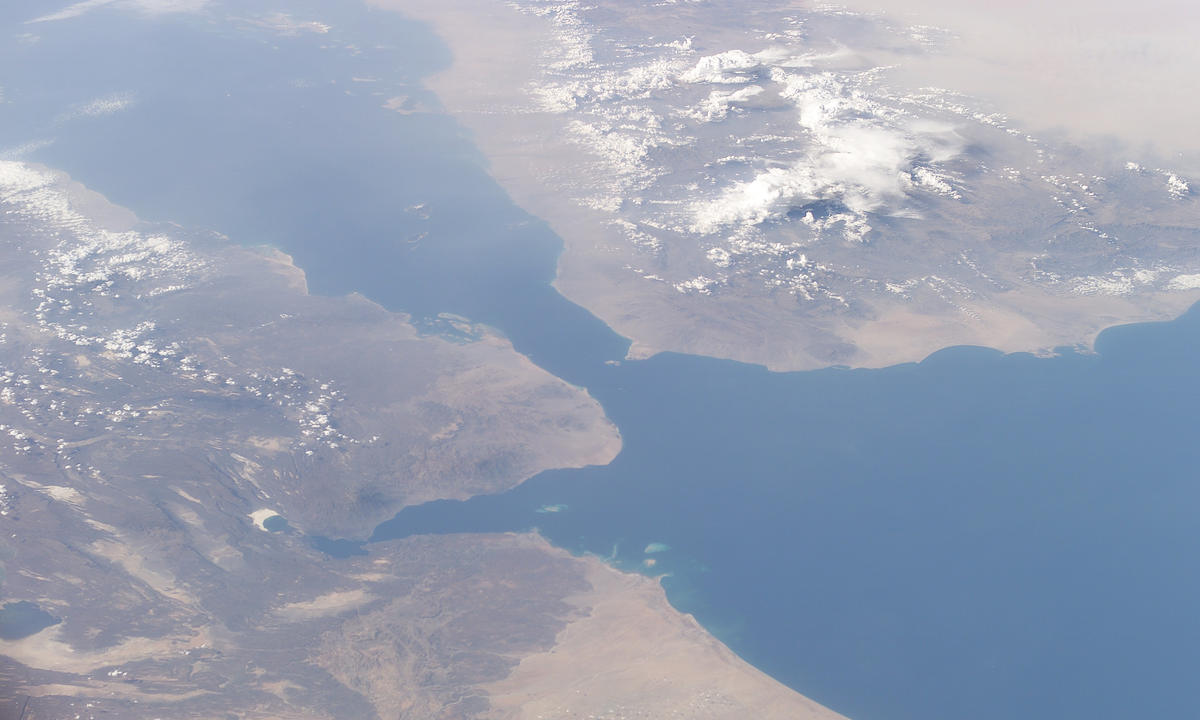
The Bab el-Mandeb strait, infamously known as the 'Gate of Tears,' has become a focal point of global attention following threats of blockade by the Houthi movement. This narrow waterway is a critical chokepoint for international shipping, connecting the Red Sea to the Gulf of Aden and subsequently to the Indian Ocean and beyond. Its strategic location makes it indispensable for global trade, facilitating the transit of a significant portion of the world's oil and manufactured goods. Any disruption to shipping through the strait can have far-reaching economic consequences, impacting supply chains and energy prices worldwide. The Houthi threats highlight the vulnerability of this vital maritime artery to geopolitical tensions in the region. The international community is closely monitoring the situation, recognizing the potential for widespread economic instability if these threats materialize. The Bab el-Mandeb's significance cannot be overstated, as it serves as a crucial gateway for commerce and energy security.
The Houthi threats to blockade the Bab el-Mandeb strait underscore the escalating geopolitical risks associated with critical global infrastructure. This event highlights how regional conflicts can rapidly translate into global economic vulnerabilities, particularly impacting energy security and supply chain resilience. The strait's strategic importance means that even the threat of disruption can trigger market volatility and necessitate significant contingency planning by international actors. Future maritime security strategies will likely need to incorporate more robust measures to protect such chokepoints, balancing security imperatives with the principles of free navigation. The long-term implications may involve shifts in trade routes or increased investment in alternative transportation methods, driven by the need to mitigate future risks.
AI-generated to prompt reflection — not editorial opinion, not advice, not a statement of fact. How this works.