Bab el-Mandeb Strait Under Attack: Risks to Global Energy Security
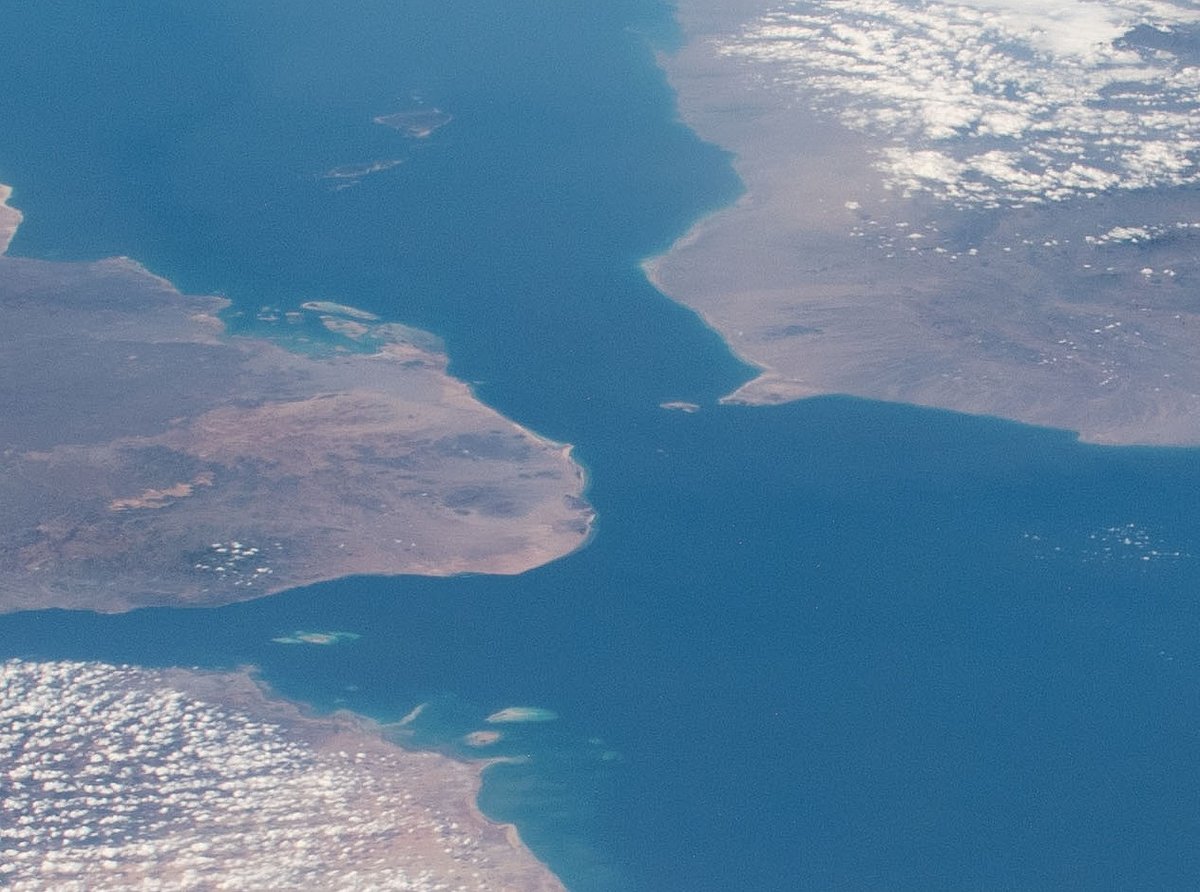
The Bab el-Mandeb Strait is currently experiencing significant disruption, mirroring attacks seen in the Strait of Hormuz. This marks the first time in modern history that two critical global maritime routes, the Strait of Hormuz and the Bab el-Mandeb, have faced sustained assaults simultaneously. The situation is described not merely as a crisis but as an indication of the breakdown of post-war maritime agreements. The implications for global energy security are profound, as these waterways are vital for the transportation of oil and gas. The ongoing attacks threaten to disrupt supply chains and could lead to increased energy prices worldwide. International efforts to ensure the safety of navigation in these strategic chokepoints are being challenged by the current geopolitical climate. The interconnectedness of global trade means that instability in one region can have far-reaching economic consequences.
The dual disruption of the Strait of Hormuz and the Bab el-Mandeb signifies a critical juncture for global maritime trade and energy security. This situation challenges the established international order governing sea lanes, potentially leading to increased shipping costs and volatile energy markets. The underlying geopolitical tensions driving these attacks necessitate a re-evaluation of international cooperation mechanisms for safeguarding critical infrastructure. Future strategies must consider diversifying energy supply routes and enhancing maritime security protocols to mitigate risks associated with regional instability and evolving conflict dynamics in the coming decade.
AI-generated to prompt reflection — not editorial opinion, not advice, not a statement of fact. How this works.