Babacar Touré Criticizes Constitutional Council's Decision on Sonko Case
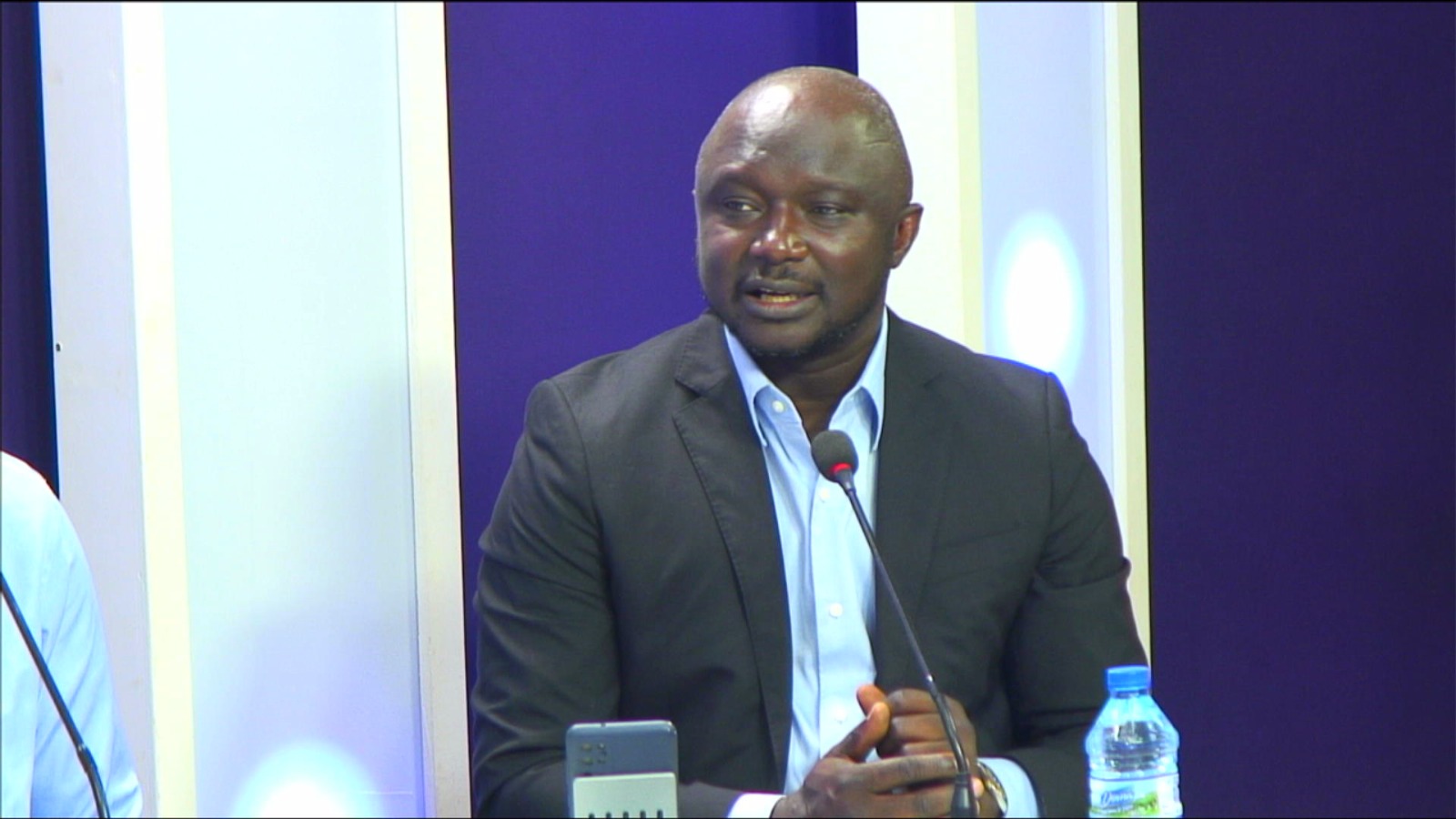
Babacar Touré has strongly criticized the Constitutional Council's decision regarding the Ousmane Sonko case. Speaking on the program "Survol de l'actualité," Touré expressed his disapproval of what he perceives as a passive stance in the face of injustice. He believes the high court missed a crucial opportunity to safeguard social peace. Touré argued that remaining silent in such situations makes one complicit in injustice. The Constitutional Council declared itself incompetent in the matter, a move Touré views as a failure to uphold its responsibilities. He emphasized that inaction by such institutions can have significant negative consequences for societal harmony.
The Constitutional Council's decision in the Ousmane Sonko case, and Babacar Touré's reaction, highlights a tension between legal process and societal expectations for justice and peace. When judicial bodies declare themselves incompetent, it can create a vacuum that fuels public frustration and perceptions of impunity. This situation underscores the delicate balance institutions must strike between adhering to legal frameworks and addressing the broader social implications of their rulings. In the context of Senegal's political landscape, such decisions can significantly impact social cohesion and trust in governance, particularly when high-profile cases are involved. The long-term consequences of perceived judicial inaction or overreach can shape public discourse and influence future political stability.
AI-generated to prompt reflection — not editorial opinion, not advice, not a statement of fact. How this works.