Babar Azam Appointed Captain for Pakistan's Test Tours of West Indies and England
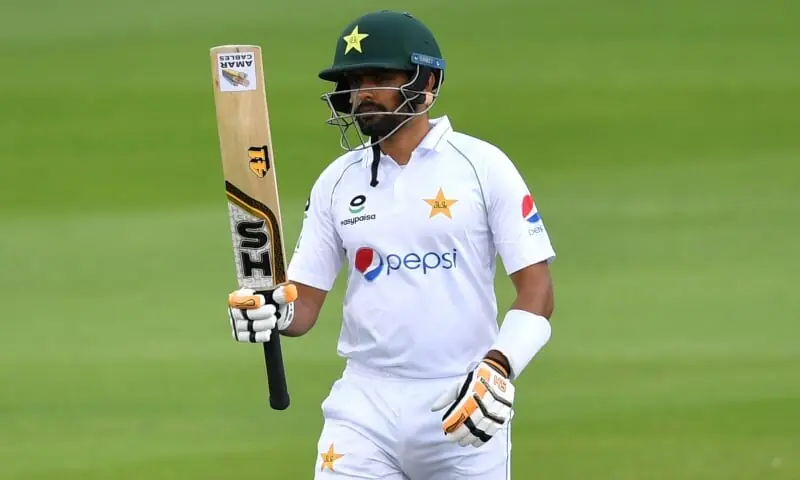
Babar Azam has been appointed captain for Pakistan's upcoming Test series against both the West Indies and England. The Pakistan Men’s National Selection Committee announced the decision on Sunday during a press conference in Lahore, with the Pakistan Cricket Board (PCB) also releasing the squad details. A 16-member squad has been selected for the two-match Test series against the West Indies, scheduled from July 25 to August 6. This will be followed by a three-match Test series in England, running from August 19 to September 13, for which a 17-member squad has been named. The squads include several uncapped players: left-arm spinner Ali Usman, right-handed batter Muhammad Awais Zafar, right-arm fast bowler Ubaid Shah, and wicket-keeper batter Muhammad Ghazi Ghori. Notably, Saud Shakeel is included in the England squad subject to his fitness. This captaincy appointment comes after previous reports suggested internal debate regarding reinstating Azam or appointing T20 skipper Salman Ali Agha as Test captain. Azam's batting position was previously adjusted in February for a T20 World Cup match due to a slow scoring rate.
The reappointment of Babar Azam as Test captain, following previous considerations about his leadership and batting form, highlights the complex decision-making processes within cricket boards. This move suggests a strategic emphasis on experienced leadership for challenging overseas tours, potentially balancing past performance data with the need for stability. The inclusion of uncapped players indicates a concurrent effort to develop future talent, a common practice in team management aiming for long-term sustainability. The dual captaincy for different formats, or the potential for it, underscores the evolving demands on players and the challenges of squad management in modern cricket, where strategic depth and player welfare are increasingly critical considerations for sustained success.
AI-generated to prompt reflection — not editorial opinion, not advice, not a statement of fact. How this works.