Baby Born at Home in Rare Breech Birth With Father's Assistance in Minas Gerais
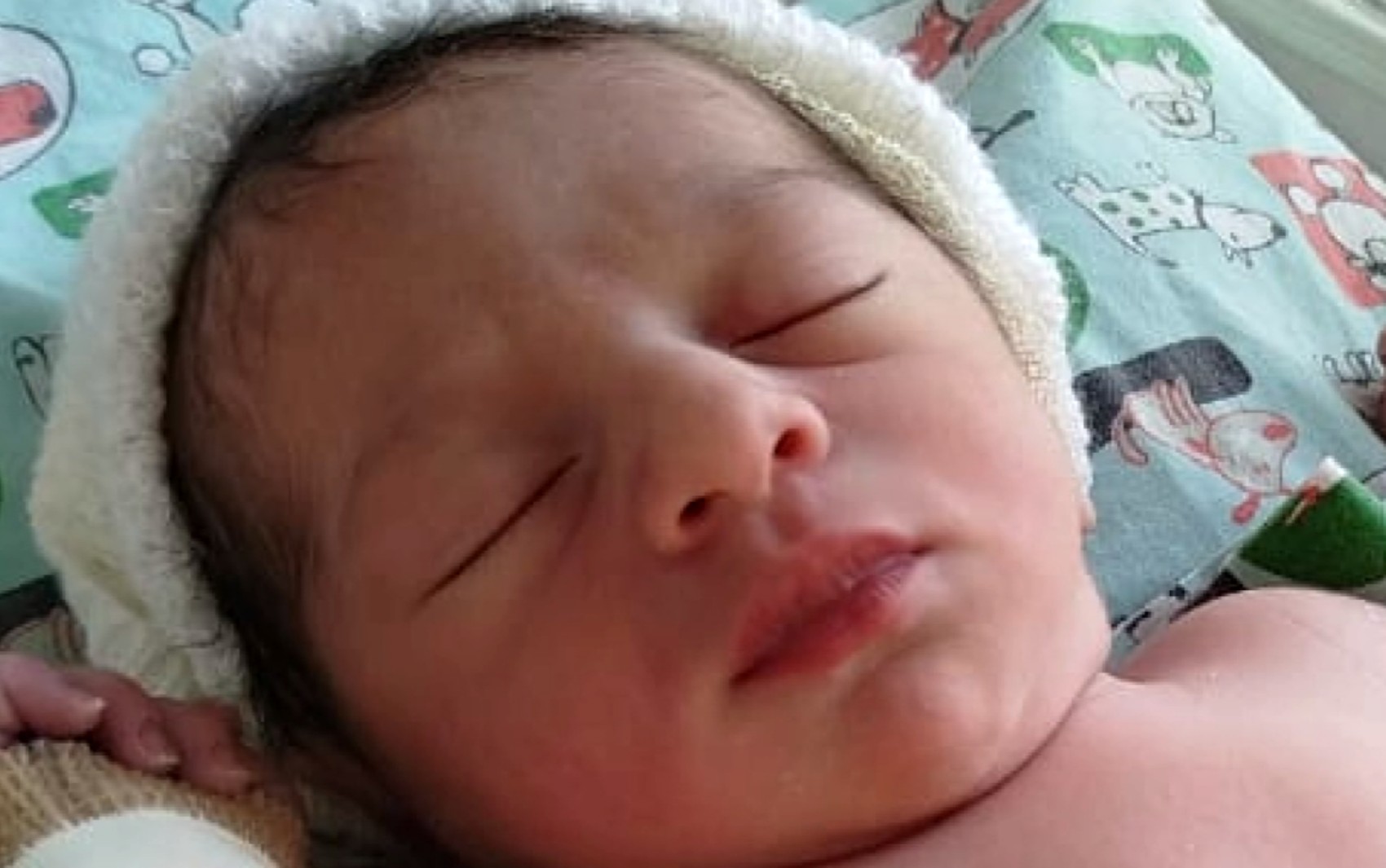
A baby girl, Esther, was born at home in Poços de Caldas, Minas Gerais, in a rare breech presentation, with her father's assistance. The mother, Quéren Alexandre Rodrigues, was 38 weeks pregnant and expected the birth soon, but not so rapidly. Her husband, mechanical engineer Renan Baade de Paula, helped prepare their home for the delivery. The couple realized the unusual nature of the birth when they couldn't see the baby's head emerging, and then observed the baby's buttocks and feet presenting first. Esther was born kicking, a moment that highlighted the significant risk involved. According to Dr. Gabriel Augusto Souza Andrade, a resident in gynecology and obstetrics, breech presentations occur in approximately 3-4% of all pregnancies, with vaginal breech births being even rarer. Despite the unexpected and high-risk circumstances, the mother described the experience as divinely guided and perfect. The family is now awaiting Esther's discharge from the neonatal intensive care unit, where she is recovering well, to reunite with her parents and older sister at home. Quéren reflected that the birth profoundly impacted her perspective on life, emphasizing trust and surrender, not only in a higher power but also in her chosen family members.
This event highlights the critical role of parental preparedness and quick thinking in unexpected birth scenarios, particularly those involving rare complications like breech presentations. While the outcome was positive, the inherent risks associated with unassisted home births, especially breech births, underscore the importance of professional medical guidance. The narrative emphasizes trust and faith, which are vital emotional components of childbirth. However, from a systemic perspective, such incidents also point to potential gaps in access to timely medical care or the need for greater public awareness regarding the risks and management of complicated pregnancies outside of clinical settings. The future of childbirth may involve enhanced remote monitoring and accessible telehealth consultations to support families in diverse circumstances, balancing personal choice with essential medical safety protocols.
AI-generated to prompt reflection — not editorial opinion, not advice, not a statement of fact. How this works.