Baby Born En Route to Hospital in Ambulance in Tocantins, Brazil
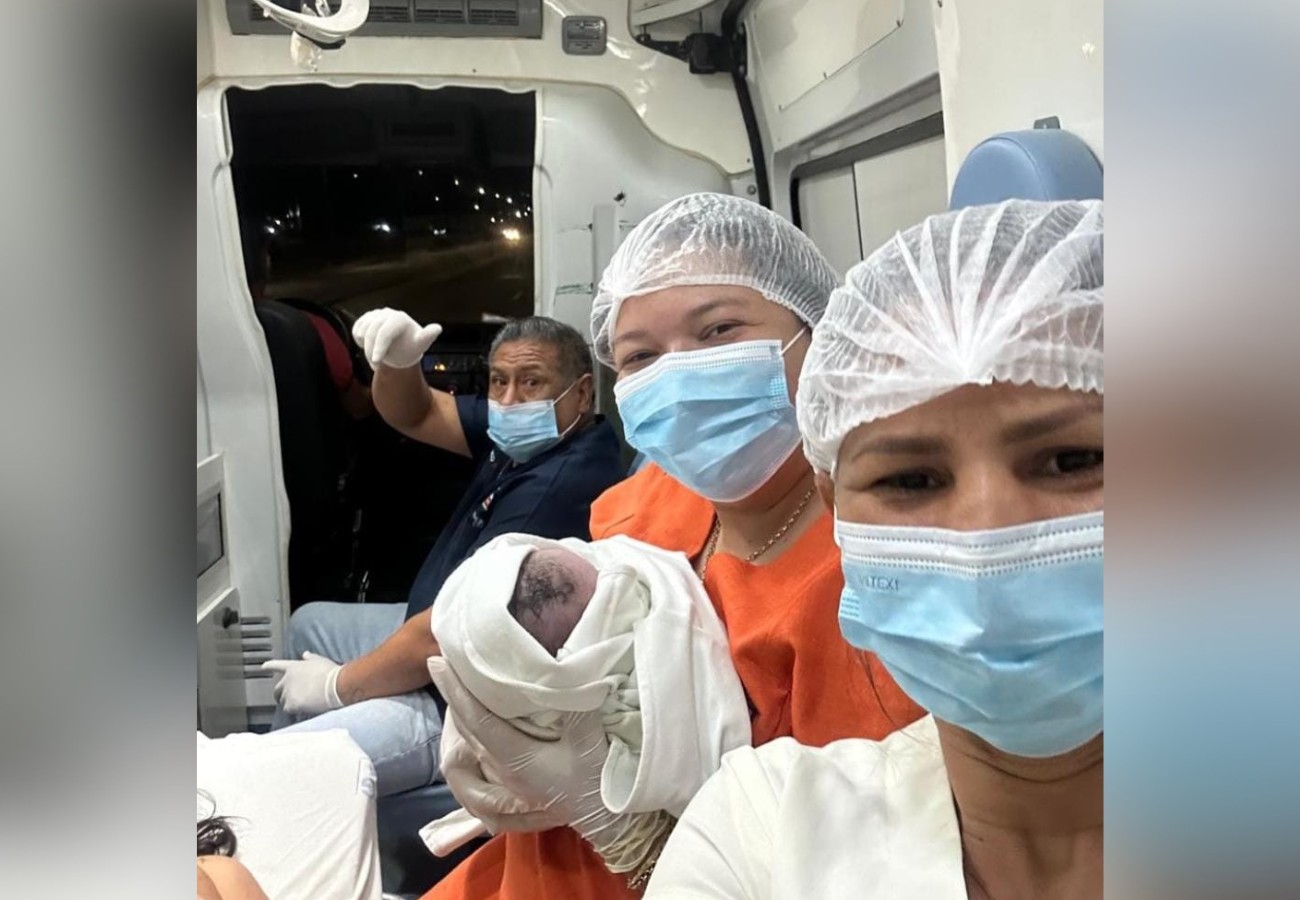
A baby was born inside an ambulance while being transferred to the Gurupi Maternal and Child Hospital in the southern region of Tocantins, Brazil. The expectant mother, who was 40 weeks pregnant, arrived at the Formoso do Araguaia Municipal Hospital in advanced labor early Saturday morning, May 1st. Due to the municipality's hospital being a small facility without maternity services, she was directed to the referral hospital in Gurupi. The transfer was conducted in a mobile ICU equipped for potential complications during the journey. However, labor progressed rapidly, leading to the birth of the baby within the ambulance. The hospital's administrative director, Marcela Gama, reported that both mother and baby are doing well, with the newborn being healthy and crying immediately after birth, and no complications arising during the delivery. The birth was attended by gynecologist Victor Hugo, supported by intensive care nurse Carol Silveira and nursing technician Elizete Cirqueira. Following the birth, the mother and infant were taken to the Gurupi hospital for medical evaluation. The baby will undergo necessary examinations and be monitored by a pediatrician, while the mother remains hospitalized. Both are reported to be stable and are expected to remain under medical care until their discharge. The Formoso do Araguaia hospital emphasized its readiness for emergency situations, despite not being a maternity ward.
This event highlights the critical role of emergency medical services and the challenges faced by smaller healthcare facilities in rural areas. The rapid progression of labor necessitated an unplanned birth within a mobile unit, underscoring the importance of robust protocols for patient transport and the preparedness of medical staff for unexpected scenarios. While the outcome was positive, it raises questions about resource allocation and the accessibility of comprehensive maternal care in remote regions. Future planning should consider the potential for such events and ensure that all healthcare providers, regardless of size, are equipped and trained to manage a wide spectrum of obstetric emergencies, thereby mitigating risks associated with patient transfers and ensuring equitable access to timely medical attention.
AI-generated to prompt reflection — not editorial opinion, not advice, not a statement of fact. How this works.