Baby Declared Dead Breathes on His Own After ICU Discharge
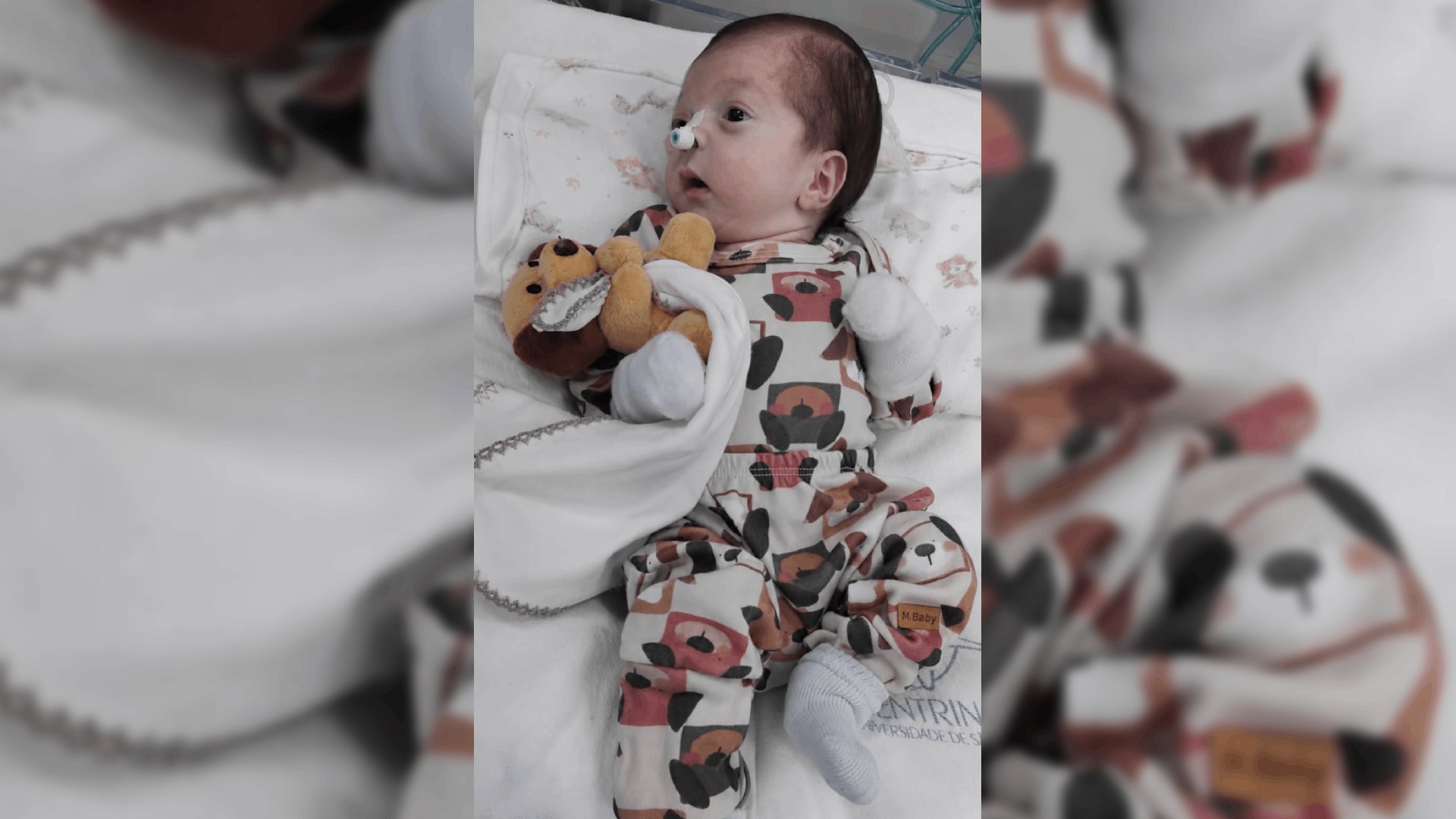
A baby boy, Noah Gabriel da Cruz Santos, who was mistakenly declared dead and later found alive, has been discharged from the Intensive Care Unit (ICU) at the Hospital das Clínicas in Bauru, São Paulo. He has been successfully extubated and is now breathing independently. The update was confirmed by Noah's mother, Letícia Cristina da Cruz Santos, on Friday, May 31st. Noah is currently at the Centrinho, a specialized unit for craniofacial anomalies affiliated with the Hospital das Clínicas and the University of São Paulo (USP). His mother reported that he is doing very well, has moved out of the heated bassinet, and is under observation. Noah has also begun receiving visitors, including his older brother and aunt. The infant was initially admitted to the Neonatal ICU shortly after his birth on June 15th. He suffered a cardiorespiratory arrest on his one-month birthday while awaiting transfer for surgery. Santa Casa de Rio Claro stated that resuscitation efforts lasted approximately 45 minutes, after which death was declared. The body was held for about an hour before being prepared for funeral home pickup. Approximately two hours after the death declaration, a funeral agent discovered Noah was exhibiting vital signs. He was subsequently re-evaluated, readmitted to the ICU, and later transferred to Bauru. The hospital director noted that all protocols were followed and that equipment indicated the child's death, calling the event extraordinary. Medical experts suggest the Lazarus syndrome as a possible, though highly unusual, explanation, given the extended period before vital signs returned.
This extraordinary event highlights the critical importance of rigorous verification protocols in medical settings, especially when dealing with neonates. While the Santa Casa de Rio Claro maintains that all procedures were followed, the incident raises questions about the sensitivity of diagnostic equipment and the potential for rare physiological phenomena to be misinterpreted. The case underscores the tension between adhering to established medical timelines for declaring death and the possibility of unforeseen biological resilience. Future advancements in continuous monitoring and diagnostic AI could potentially mitigate such risks, offering more definitive data to support clinical judgment in high-stakes situations and preventing the profound emotional distress experienced by the family.
AI-generated to prompt reflection — not editorial opinion, not advice, not a statement of fact. How this works.