Baby Declared Dead Found Alive Before Funeral in Brazil
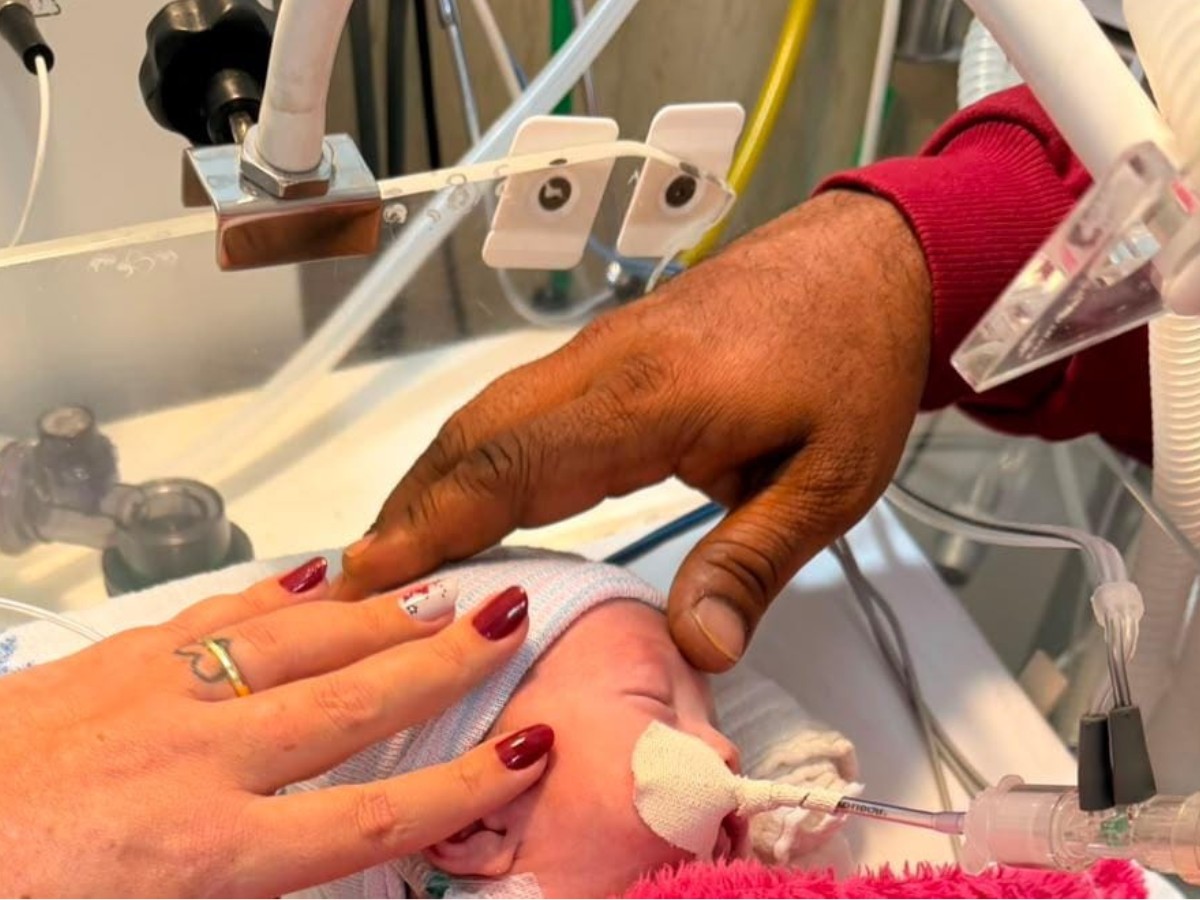
A newborn baby, Noah Gabriel da Cruz Santos, who was declared dead at Santa Casa de Rio Claro hospital in São Paulo, Brazil, was found to have vital signs before his scheduled funeral. Noah was born prematurely on June 15th with a cleft palate and was admitted to the Neonatal Intensive Care Unit (NICU). His condition worsened, leading to a cardiorespiratory arrest on July 15th. Medical teams performed resuscitation for approximately 45 minutes before declaring him deceased late that afternoon. The baby remained in the NICU for about an hour after the death declaration. Subsequently, when a funeral home employee was preparing to transfer Noah, she noticed movement and sounds indicating he was alive, still within a funerary bag. He was subsequently readmitted to the NICU for intensive care. The family, including mother Letícia Cristina da Cruz Santos, does not believe there was medical negligence, stating they saw their son appear lifeless and with a purple coloration. The mother described the experience as overwhelming and miraculous, expressing gratitude for her son's fight for life. On July 17th, Noah was transferred to the Hospital de Reabilitação de Anomalias Crânio-Faciais at the University of São Paulo in Bauru for specialized treatment. Santa Casa de Rio Claro maintains that all technical and legal protocols for declaring death were strictly followed and identified no procedural failures, calling the event an extraordinary occurrence and a 'true miracle'.
This extraordinary event highlights the critical importance of continuous patient monitoring, even after a pronouncement of death, especially in neonatal care where physiological stability can be precarious. While the hospital asserts adherence to protocols, the incident prompts a review of the precision and timing of death declarations in complex cases. The family's perspective, emphasizing the miraculous survival and lack of perceived negligence, contrasts with the systemic questions raised about the robustness of diagnostic procedures in critical care. Future considerations might involve exploring advancements in real-time physiological monitoring or establishing clearer, multi-stage verification processes for pronouncements of death in neonatal settings to prevent such deeply distressing occurrences and ensure absolute certainty before final disposition.
AI-generated to prompt reflection — not editorial opinion, not advice, not a statement of fact. How this works.