Baby Declared Dead Found Alive Hours Later, Baffling Medical Experts
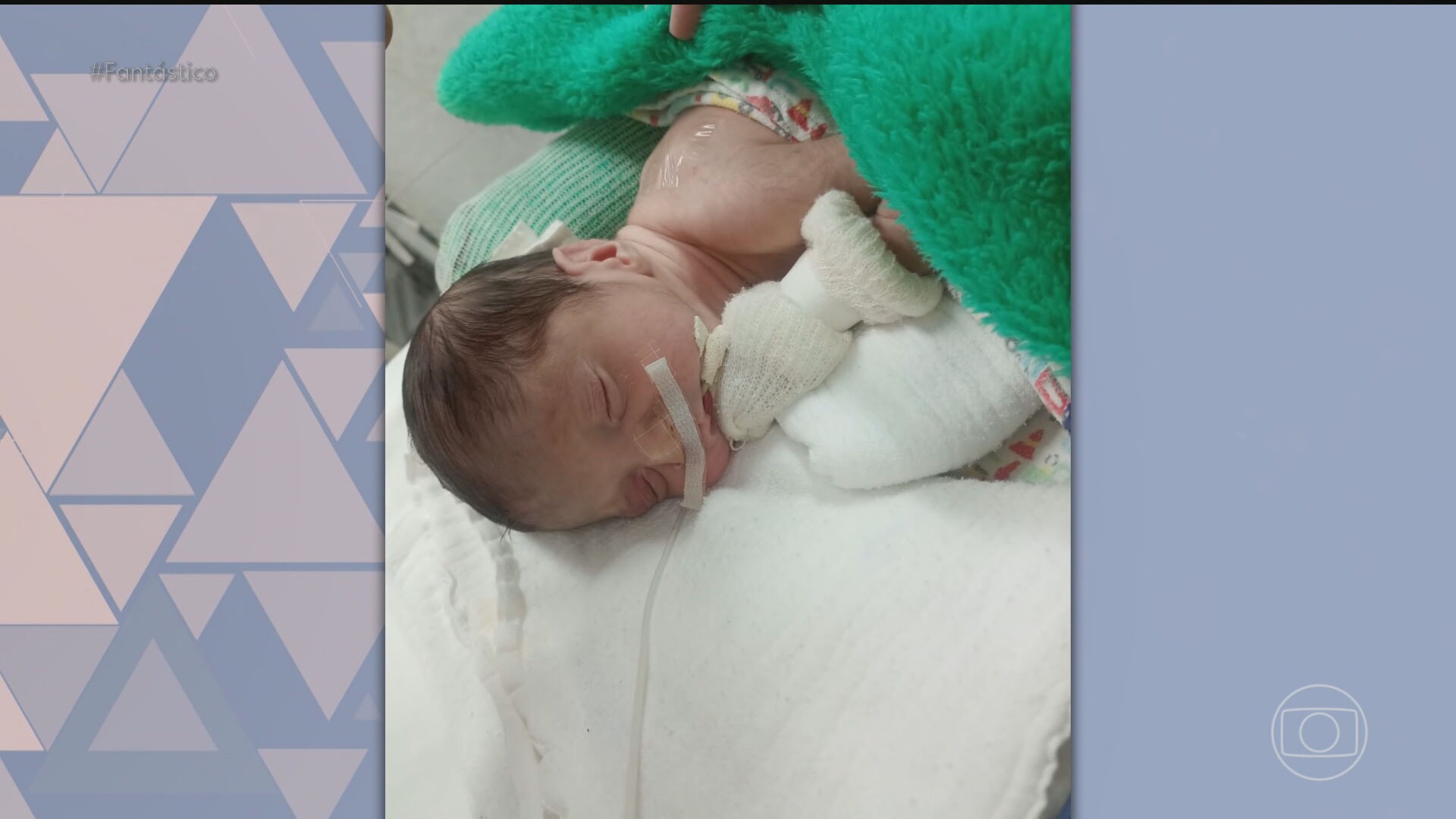
A rare medical anomaly has left doctors and a family in Rio Claro, São Paulo, astonished after a newborn baby, Noah, was declared dead only to be found alive hours later. Noah was born at Santa Casa de Rio Claro with a severe congenital malformation and experienced two cardiac arrests shortly after birth. Despite over 40 minutes of resuscitation efforts, medical professionals concluded the infant had died and informed the family, who experienced nearly five hours of mourning. However, funeral home staff discovered Noah had vital signs while preparing him for burial. The baby was immediately rushed back for medical attention and transferred to the Intensive Care Unit (ICU). Medical experts, including Dr. Nelson Rorigoshi from Sabará Children's Hospital, are discussing the extremely rare 'Lazarus syndrome,' a phenomenon where spontaneous circulation returns after resuscitation attempts cease. While this syndrome typically involves adults and occurs within minutes, Noah's case is exceptional due to the prolonged period of apparent death lasting hours. The hospital's medical director, Marco Aurélio Mestrinel, stated that internal investigations have not yet identified procedural errors, and all protocols for declaring death were followed. The institution's ethics committee is also reviewing the case. Noah has since been transferred to the Hospital das Clínicas de Bauru for specialized care and is showing clinical improvement, though further procedures are required before his discharge. His parents describe their experience as a mix of gratitude and apprehension, now referring to their son as a 'miracle baby.'
The extraordinary circumstances surrounding baby Noah's case highlight the inherent limitations and complexities within current medical diagnostic protocols, particularly in extreme situations. While the 'Lazarus syndrome' offers a potential physiological explanation, the extended duration in Noah's case challenges existing medical understanding and underscores the need for continuous refinement of death confirmation procedures. This event prompts reflection on the ethical and psychological impact of such prolonged uncertainty on families and the importance of robust investigative frameworks to ensure both accountability and learning within healthcare systems. Future advancements in medical technology and understanding may offer clearer insights into such rare physiological events, potentially reducing the emotional distress associated with perceived medical errors or inexplicable outcomes.
AI-generated to prompt reflection — not editorial opinion, not advice, not a statement of fact. How this works.