Baby Declared Dead Revives, Family Calls it a Miracle
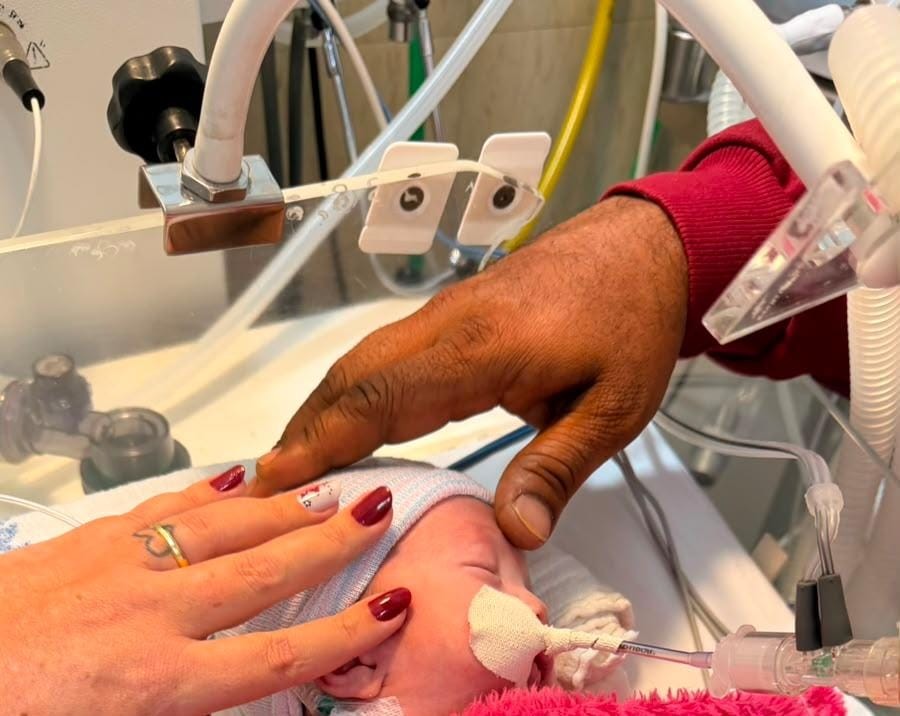
A one-month-old baby boy in Rio Claro, São Paulo, Brazil, who was declared dead, showed vital signs approximately two hours later, an event his mother described as a miracle. Noah Gabriel da Cruz Santos was born prematurely with a congenital condition known as cleft palate, affecting his feeding, speech, hearing, and dental development. He had been hospitalized for 32 days in the Santa Casa de Rio Claro, awaiting transfer to a specialized hospital for surgery. The hospital stated that all legal and technical protocols for declaring death were followed, and no care failures were identified at the time. Noah's parents were with him for about an hour after the initial declaration of death before returning home. They were later called back to the hospital, where they were informed their son had shown signs of life. The mother expressed immense relief and gratitude, viewing her son as a "warrior" still fighting for his health. The incident occurred on the date Noah was originally due to be born and also marked his one-month birthday. The baby has since been transferred to the specialized hospital for further treatment. The Santa Casa de Rio Claro maintained that its procedures were rigorous and that the event was extraordinary, deeply impacting all involved.
This extraordinary event highlights the critical importance of continuous monitoring and the potential for rare biological phenomena, even after established medical protocols for death declaration have been followed. While the hospital asserts adherence to protocols, the incident prompts reflection on the sensitivity and limitations of current diagnostic methods in extreme circumstances. The family's profound emotional response underscores the human element in medical care. Future considerations might involve exploring advanced diagnostic technologies or establishing clearer protocols for re-evaluation in cases where even the slightest ambiguity exists, ensuring both medical rigor and compassionate response to extraordinary outcomes. This situation also presents a case study in managing public perception and maintaining trust in healthcare institutions during highly unusual events.
AI-generated to prompt reflection — not editorial opinion, not advice, not a statement of fact. How this works.