Baby Declared Dead Revives Hours Later, Hospital Investigates
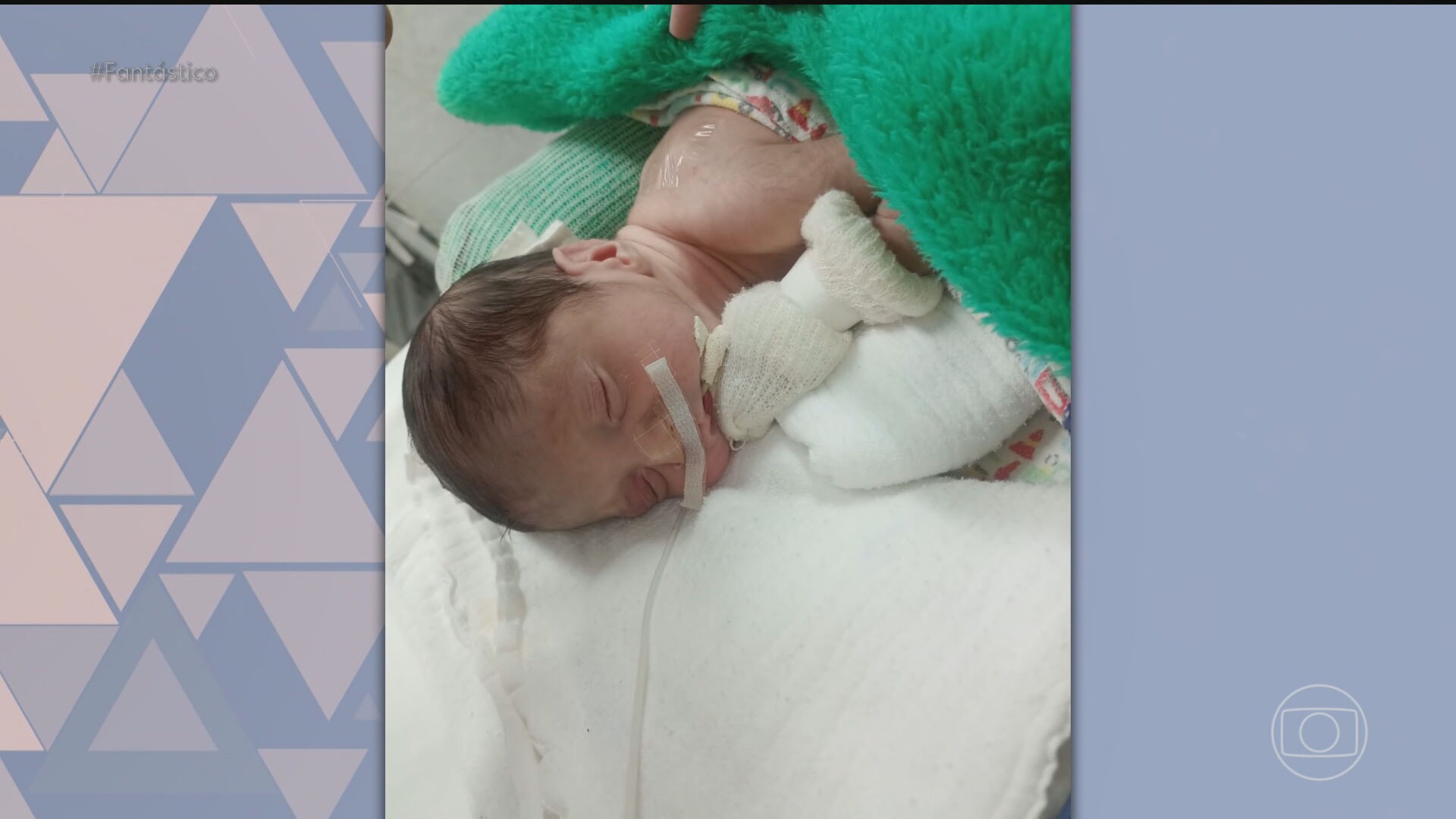
A newborn baby named Noah, who was declared dead by Santa Casa hospital after suffering two cardiac arrests, has inexplicably regained vital signs hours later. His parents experienced profound grief, only to be overcome with emotion when funeral home staff discovered Noah alive approximately five hours after his initial declaration of death. The hospital's medical director, Marco Aurélio Mestrinel, stated that the medical team followed all established protocols during the resuscitation attempts, which lasted over 40 minutes, and that all equipment indicated the baby's death before the clinical assessment was made. Mestrinel admitted that the hospital has found no medical justification for the event and that both an administrative investigation and an ethics committee review are underway. Experts, like Nelson Rorigoshi, medical manager at Sabará Children's Hospital, described such occurrences as extremely rare, particularly in infants, with most documented cases involving adults or the elderly. Rorigoshi mentioned the 'Lazarus syndrome' as a potential, though unusual, explanation, which refers to the spontaneous return of circulation after resuscitation efforts cease. However, he noted that Noah's case is exceptional because the revival occurred after several hours, far exceeding the typical minutes observed in Lazarus syndrome cases. Noah has since been transferred to the Hospital das Clínicas de Bauru, a facility specializing in genetic diseases, where he remains hospitalized and intubated, showing clinical improvement.
This highly unusual event prompts an examination of medical protocols and diagnostic certainty, particularly in critical infant care. While the hospital asserts adherence to procedure, the prolonged period between the declaration of death and the return of vital signs raises questions about the sensitivity and interpretation of diagnostic tools in complex neonatal cases. The 'Lazarus syndrome' hypothesis, while scientifically discussed, appears insufficient given the extended timeframe, suggesting potential systemic gaps in understanding or monitoring extremely rare physiological responses. Future advancements in continuous, real-time physiological monitoring and AI-driven diagnostic support could offer enhanced certainty and potentially mitigate such distressing and inexplicable outcomes, ensuring patient safety and parental trust.
AI-generated to prompt reflection — not editorial opinion, not advice, not a statement of fact. How this works.