Baby Survives in Deceased Mother's Womb Through Advanced Medical Intervention
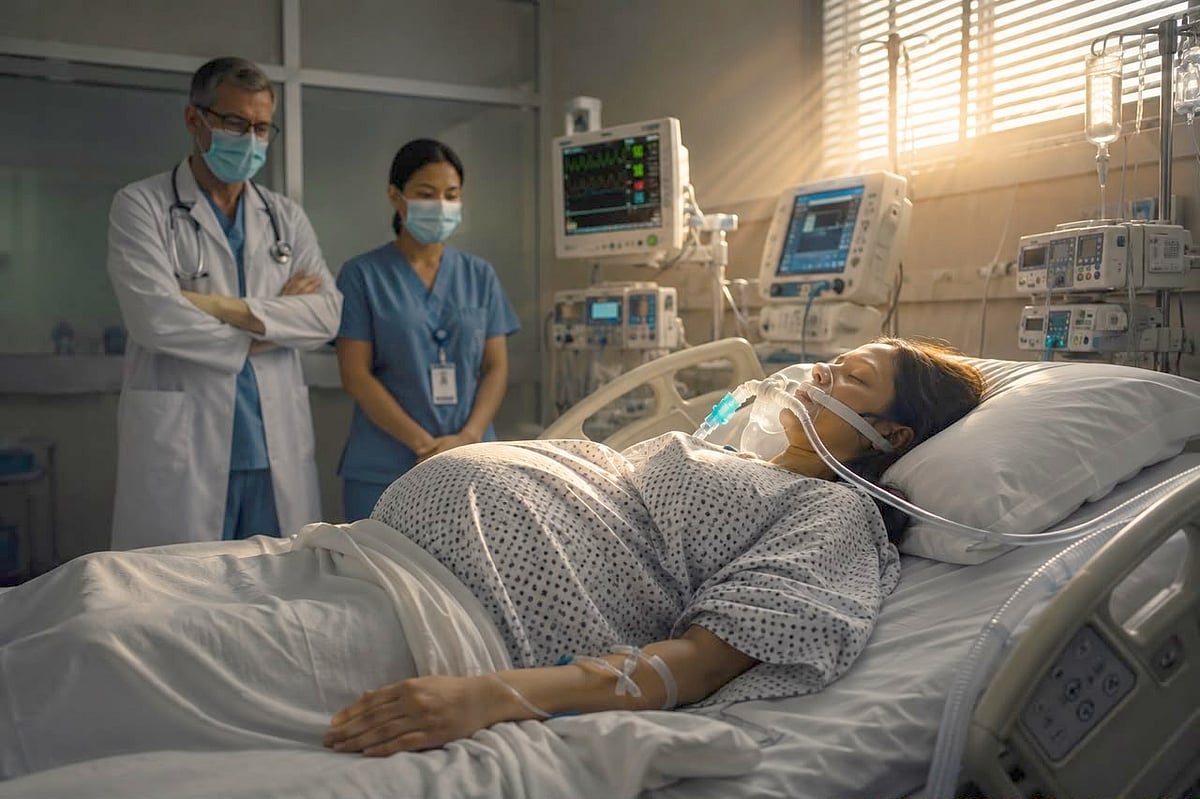
It may sound unbelievable, but advanced medical science has made it possible for a baby to survive in the womb of a mother declared dead. This rare phenomenon has occurred in various countries around the world. If a pregnant woman experiences brain death while her fetus remains alive, modern medical technology can sustain her body mechanically until the baby can be delivered. This allows for the continuation of the pregnancy despite the mother's irreversible condition. The intervention relies on life support systems to maintain vital functions necessary for fetal development. Such cases highlight the remarkable capabilities of contemporary medicine in overcoming extreme circumstances. The successful delivery of a healthy baby in these situations is a testament to the dedication and expertise of medical professionals.
This medical scenario demonstrates the evolving capabilities of life support technology to sustain fetal viability even after irreversible maternal brain death. The ethical and logistical complexities of maintaining a deceased individual on life support solely for the benefit of a fetus are significant. While technologically feasible, such interventions raise profound questions about resource allocation in healthcare, the definition of life and death, and the potential for prolonged, complex medical procedures. Future considerations will likely involve refining protocols for such rare events, balancing the potential for life with the ethical implications for the deceased and their families, and assessing the long-term societal impact of extending life support in these extraordinary circumstances.
AI-generated to prompt reflection — not editorial opinion, not advice, not a statement of fact. How this works.