Baby Theo Undergoes Groundbreaking Fetal Surgery to Repair Abdominal Wall Defect
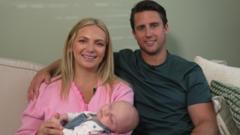
In a pioneering clinical trial, an infant named Theo has become the third baby globally to undergo surgery while still inside the womb. The procedure aimed to correct a complex condition known as gastroschisis, where the intestines are exposed outside the body. This groundbreaking intervention offers hope for infants diagnosed with such severe congenital anomalies. The success of this surgery represents a significant advancement in fetal medicine. It highlights the increasing capabilities of prenatal surgical interventions. Theo's case is a testament to the ongoing innovation in treating complex birth defects before birth. The trial aims to improve outcomes for babies born with gastroschisis and similar conditions. This technique allows for the repair of the abdominal wall defect while the fetus is still developing, potentially reducing complications associated with traditional postnatal surgery.
This fetal surgery represents a significant leap in medical technology, offering a potential paradigm shift in treating complex congenital conditions like gastroschisis. By intervening prenatally, the procedure aims to mitigate the severe health challenges and long-term complications that newborns often face after birth. The development underscores the accelerating trend of applying advanced medical interventions earlier in the life cycle, driven by technological progress and a deeper understanding of developmental biology. While promising, the long-term efficacy and potential risks associated with such pioneering procedures warrant continued rigorous study and ethical consideration. The focus on improving infant outcomes through innovative surgical techniques highlights a broader societal push towards maximizing human potential from the earliest stages of life, while also raising questions about resource allocation and equitable access to such advanced medical care in the future.
AI-generated to prompt reflection — not editorial opinion, not advice, not a statement of fact. How this works.
