Baby Theo Undergoes In-Utero Surgery for Gastroschisis, Then Born Normally
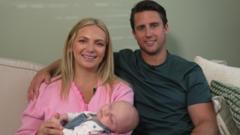
Theo is the third child globally to have a complex gastroschisis condition successfully treated with surgery while still in the womb. This remarkable medical feat allowed Theo to be born normally after the in-utero intervention. Gastroschisis is a birth defect where the intestines and other organs protrude outside the baby's body through a hole in the abdominal wall. The surgical procedure performed before birth aims to correct this condition, preventing potential complications and improving the infant's health outcomes. This case highlights significant advancements in fetal surgery and its potential to address serious congenital anomalies. The successful outcome for Theo represents a 'miracle' for his family and a testament to the capabilities of modern medical science in intervening during fetal development.
This case showcases the increasing sophistication of fetal medicine, enabling interventions for congenital conditions that were previously untreatable before birth. The success of in-utero surgery for gastroschisis represents a significant advancement, potentially reducing the severity of complications and improving long-term health for affected infants. Such procedures raise important considerations regarding the ethical frameworks, accessibility, and cost-effectiveness of advanced fetal therapies as they become more widespread. The future implications involve balancing the potential for life-saving interventions with the need for equitable distribution of these complex medical resources.
AI-generated to prompt reflection — not editorial opinion, not advice, not a statement of fact. How this works.
