Baby walkers and 'duck walking' may delay a child's first steps, says physiotherapist
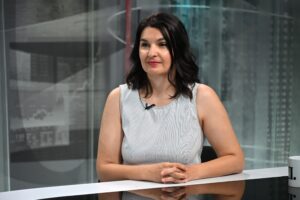
Crawling is beneficial for a baby's development but not essential for them to learn to walk properly. According to Diana Marinovska, a pediatric physiotherapist at Acıbadem Sistina Hospital, a child's development should occur in a natural environment, free from pressure or aids that could hinder their natural motor development. Marinovska emphasized this point in an interview with "Sloboden Pechat." She explained that while crawling is advantageous, it is not a prerequisite for walking. The focus should be on fostering a supportive and natural setting for the child's growth. Aids like baby walkers and the practice of 'duck walking' (a gait where a child walks on their toes or with a waddling motion) can potentially impede the natural progression of learning to walk. Marinovska's insights highlight the importance of allowing children to develop at their own pace without artificial interventions. The interview, presented as a video, delves further into these developmental aspects.
This discussion highlights a common divergence between traditional parenting practices and contemporary developmental science. While aids like baby walkers are often used with the intention of accelerating a child's mobility, evidence suggests they may interfere with the development of crucial motor skills and balance. The emphasis on natural development and avoiding 'forcing' milestones reflects a broader understanding of child psychology and motor learning, suggesting that external pressures or tools can sometimes create more challenges than they solve. Over the next decade, as technology increasingly offers 'solutions' for every perceived developmental gap, parents and caregivers will need to critically evaluate which tools genuinely support natural development and which might inadvertently create dependencies or delays, aligning with a societal shift towards prioritizing organic growth over accelerated achievement.
AI-generated to prompt reflection — not editorial opinion, not advice, not a statement of fact. How this works.