Baby with rare disease waits a month for R$100k imported medication from SUS
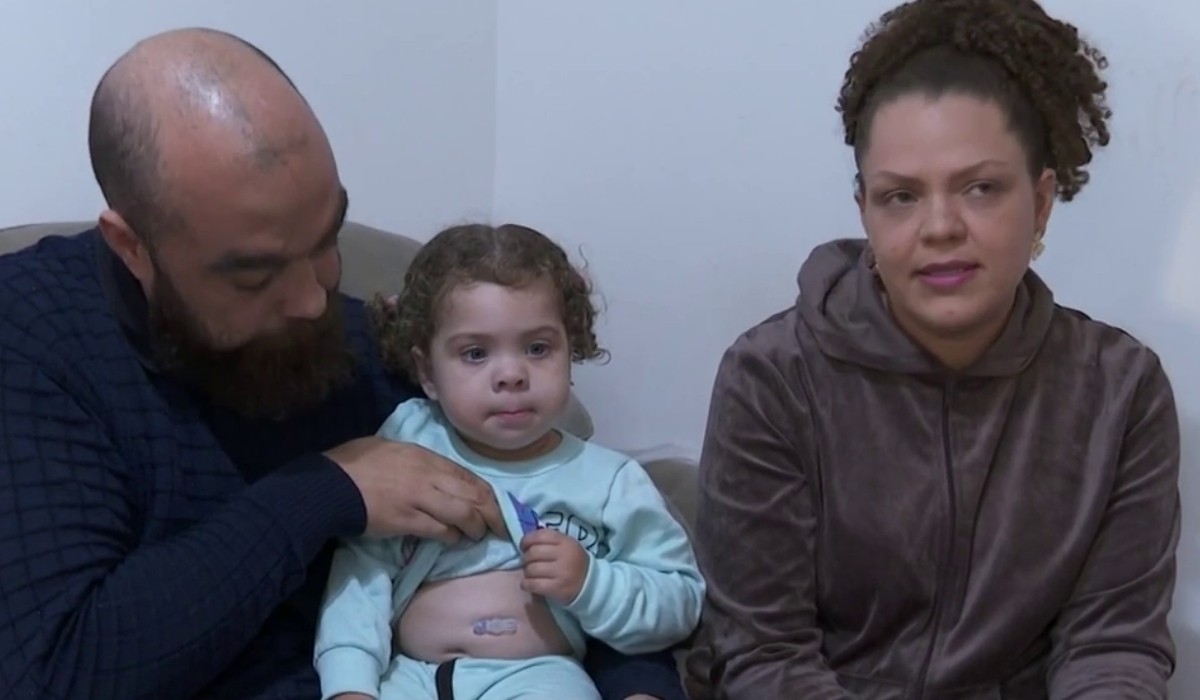
Heloise, a one-year-and-ten-month-old baby from Indaiatuba, São Paulo, has gone a month without a crucial imported medication essential for her survival. The drug, valued at R$100,000 and supplied by the Unified Health System (SUS), treats VLCAD syndrome, a rare metabolic disorder affecting fat digestion. Individuals with VLCAD require a strict diet and are prone to hypoglycemia, muscle weakness, and heart problems. The high-cost medication, Dojolvi (Triheptanoin), manufactured in Germany, is Heloise's sole reliable energy source and is provided under court order. However, the federal government has not delivered the latest shipment, citing stock shortages. The Ministry of Health stated that a judicial deposit for the purchase has been authorized and could be processed at any time to comply with a court ruling. Heloise's parents, Thialle and Vinicius Rebelo, emphasized the medication's indispensability for organ function, expressing fear of fatal consequences without it. They previously lost their elder daughter, Antonela, at four months old to the same disease in 2023, intensifying their anxiety. The family secured the right to the medication through legal action in February 2025, with the first delivery occurring in December 2025 after a judicial deposit. To ensure continuous supply every six months, updated medical reports are required due to Heloise's rapid growth and increasing dosage needs. This time, the delivery has been delayed, with the Union indicating a deposit will be made but providing no timeline. The process involves international import, customs clearance, Anvisa approval, and delivery to a specialized pharmacy, a lengthy procedure that took 10 months last year. Heloise adheres to a fat-free diet, relying on a gastrostomy tube for nutrition, and the medication supplements the fat she cannot absorb. The treatment interruption has forced the family to increase daily care, including more frequent nighttime feedings (every three hours) and strict social isolation to prevent infections that could exacerbate her condition and lead to hospitalization due to potential heart complications and metabolic crises.
This case highlights critical challenges in equitable access to life-saving, high-cost medications within public healthcare systems. The delay in delivering essential treatment for a rare disease, particularly after a prior tragic loss due to the same condition, underscores systemic vulnerabilities in supply chain management and judicial order fulfillment. The reliance on court orders for medication access suggests potential gaps in proactive public health policy for rare diseases. Future considerations may involve exploring more streamlined procurement and distribution mechanisms for essential imported drugs, optimizing inventory management to prevent stockouts, and enhancing inter-agency coordination to expedite regulatory approvals and deliveries, thereby mitigating the severe risks faced by vulnerable patient populations.
AI-generated to prompt reflection — not editorial opinion, not advice, not a statement of fact. How this works.