Back-to-School: Tips for Ensuring Children's Backpacks Aren't Too Heavy
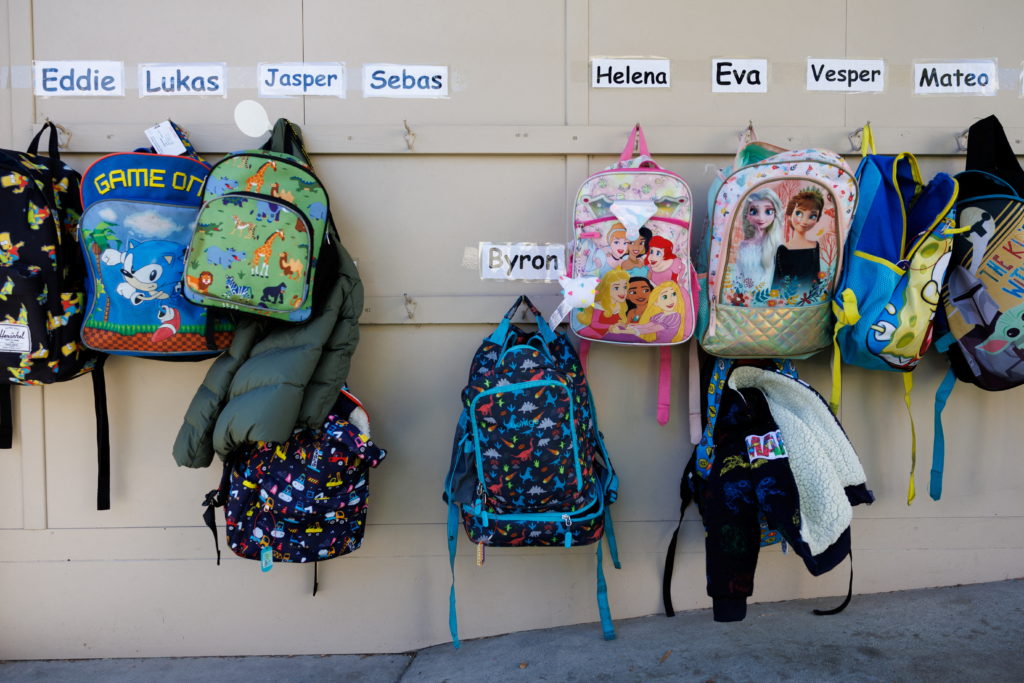
With back-to-school shopping underway, parents are advised to assess the weight of their children's backpacks to prevent physical strain. Overly heavy backpacks can place undue stress on a child's developing body, potentially leading to discomfort and long-term musculoskeletal issues. It is crucial to identify signs that a backpack is too heavy and implement strategies to reduce its load. This includes checking the overall weight in relation to the child's body mass and observing the child's posture and gait when wearing the backpack. Parents should aim to lighten the load by only packing essential items and utilizing strategies like rolling backpacks or distributing weight evenly. Proper fitting and adjustment of backpack straps are also vital to ensure weight is distributed effectively across the shoulders and back, rather than concentrating on a single point. This proactive approach can help safeguard children's physical health as they navigate their academic year.
The annual back-to-school season highlights a recurring challenge in child ergonomics, where the practical necessity of carrying educational materials clashes with the physical limitations of young bodies. The weight of school backpacks is a systemic issue influenced by curriculum demands, evolving educational tools, and parental purchasing habits. Addressing this requires a multi-faceted approach involving manufacturers, educational institutions, and caregivers. Future considerations should include exploring lighter material alternatives, optimizing textbook formats, and integrating digital learning resources to reduce physical load. Furthermore, promoting awareness and education on proper backpack usage and weight distribution can empower families to make informed decisions, mitigating potential long-term health impacts on students.
AI-generated to prompt reflection — not editorial opinion, not advice, not a statement of fact. How this works.
