Backbencher Soh el's Dare: A Night in the Crematorium and an AI Encounter
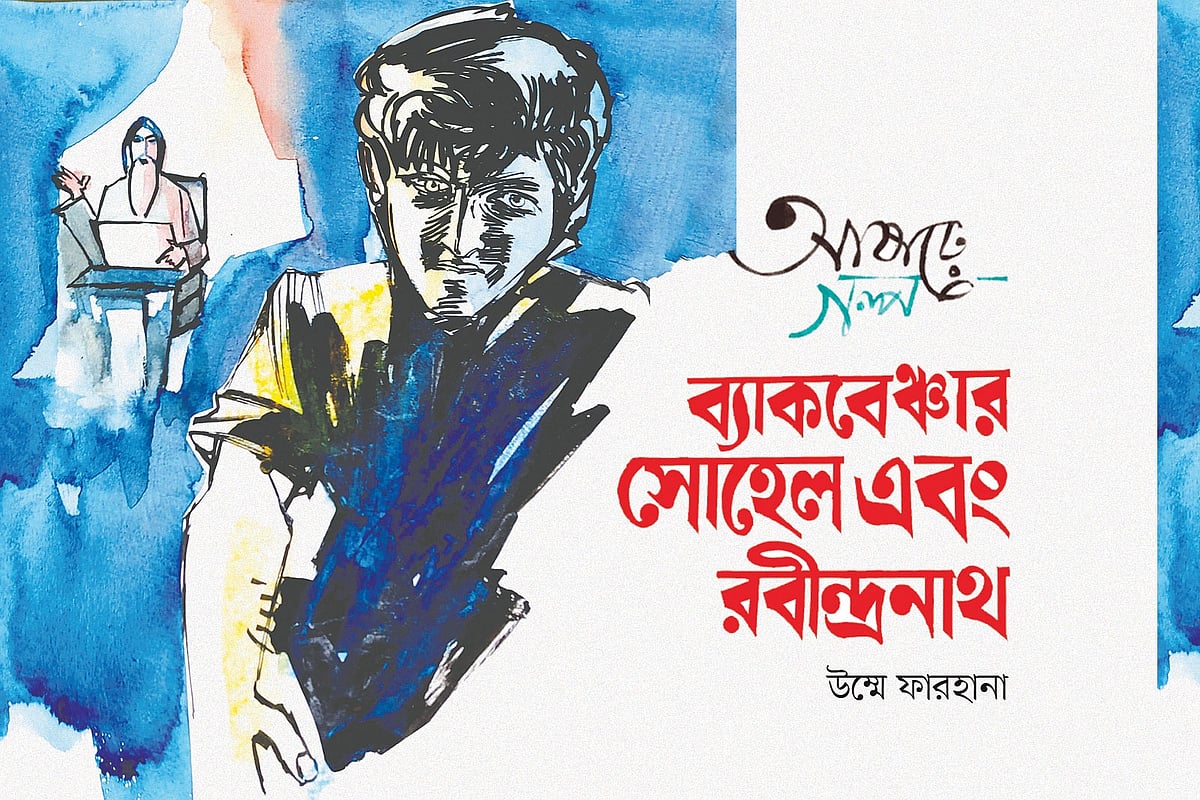
Soh el, a notorious backbencher with little interest in academics but a knack for mischief, accepts a dare to spend a full night in the crematorium on a moonless night. Despite his friends' apprehension and their attempts to equip him with protective charms and items, Soh el remains confident, attributing his bravery to his uncle's teachings that 'ghosts are my sons, demons my daughters.' He plans to prove his feat by leaving behind items from his friends: a ballpoint pen from Maruf, an eraser with Pulok's name, and a two-taka coin from Rubel, at a specific tomb. His friends, concerned for his safety, had their own rituals: Maruf prayed fervently, Rubel brought blessed water, and Pulok's mother, who meticulously tracked auspicious dates, had learned of the specific moonless night. Soh el, however, dismisses their fears, believing 'the mind's ghost is the real ghost.'
Upon arriving at the crematorium, Soh el finds the usual spooky atmosphere disrupted. While attempting to place the items at a tomb, he discovers a man with a beard resembling Rabindranath Tagore engrossed in working on a laptop inside the tomb. This man, who appears not to notice Soh el's entry, identifies himself as a computer program. Soh el, curious about the man's appearance and presence, asks who he is and why he looks like Rabindranath Tagore. The program, in turn, asks Soh el who he is, and explains that his creators designed him to look that way. This unexpected encounter with an AI in such an unusual setting marks a strange twist to Soh el's adventurous night.
This narrative juxtaposes a traditional rite of passage—a daring nocturnal vigil in a place of death—with a modern technological encounter. Soh el's bravado, rooted in folk wisdom and a rejection of academic norms, highlights a generational tension between established societal expectations and individualistic pursuits of excitement. The introduction of an AI, personified with a recognizable cultural figure, prompts reflection on how artificial intelligence might integrate into or even subvert established social and even spiritual spaces. The story implicitly questions the nature of 'reality' and 'presence' in an era where AI can mimic human form and engage in complex tasks, potentially challenging traditional beliefs about life, death, and the unknown. The narrative invites consideration of how such advanced technologies might be perceived and integrated into diverse cultural contexts, particularly those influenced by superstition and folklore.
AI-generated to prompt reflection — not editorial opinion, not advice, not a statement of fact. How this works.