Bacteria Found to Convert Toxic Uranium in Mine Water into Stable Compound
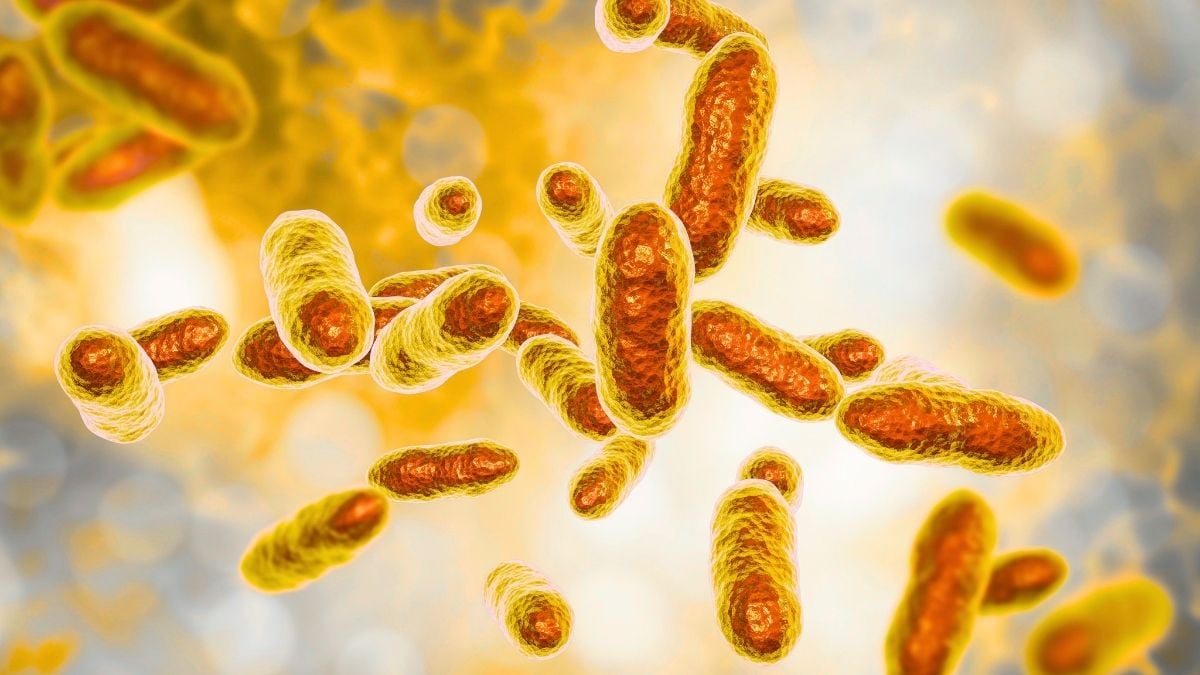
Scientists have discovered the first evidence of bacteria capable of transforming toxic uranium dissolved in water into a stable chemical compound. This remarkable biological process was observed in toxic mine water, where the bacteria effectively reduced the amount of radioactive metal. According to the findings, only 5% of the dissolved uranium remained in the water after the bacteria's action. This discovery marks a significant breakthrough in understanding how microbial life can interact with and potentially mitigate the effects of radioactive contamination. The research highlights the potential for bioremediation strategies in managing hazardous waste from mining operations. Further investigation into this bacterial mechanism could lead to innovative solutions for environmental cleanup. The study's implications extend to the broader field of environmental science and the ongoing challenge of dealing with toxic byproducts of industrial activities. The specific species of bacteria and the precise chemical pathways involved are subjects of ongoing scientific inquiry.
This discovery presents a novel biological mechanism for neutralizing radioactive contaminants, potentially offering a low-cost, environmentally friendly approach to managing toxic mine water. The long-term efficacy and scalability of this bacterial process require thorough investigation. Future research should focus on understanding the specific environmental conditions that optimize bacterial activity and the potential for unintended ecological consequences. Evaluating the economic feasibility and regulatory pathways for implementing such bioremediation technologies will be crucial for their practical application in addressing legacy mining pollution.
AI-generated to prompt reflection — not editorial opinion, not advice, not a statement of fact. How this works.