Bacterial Meningitis Suspicion in João Pessoa Student Ruled Out by Exams
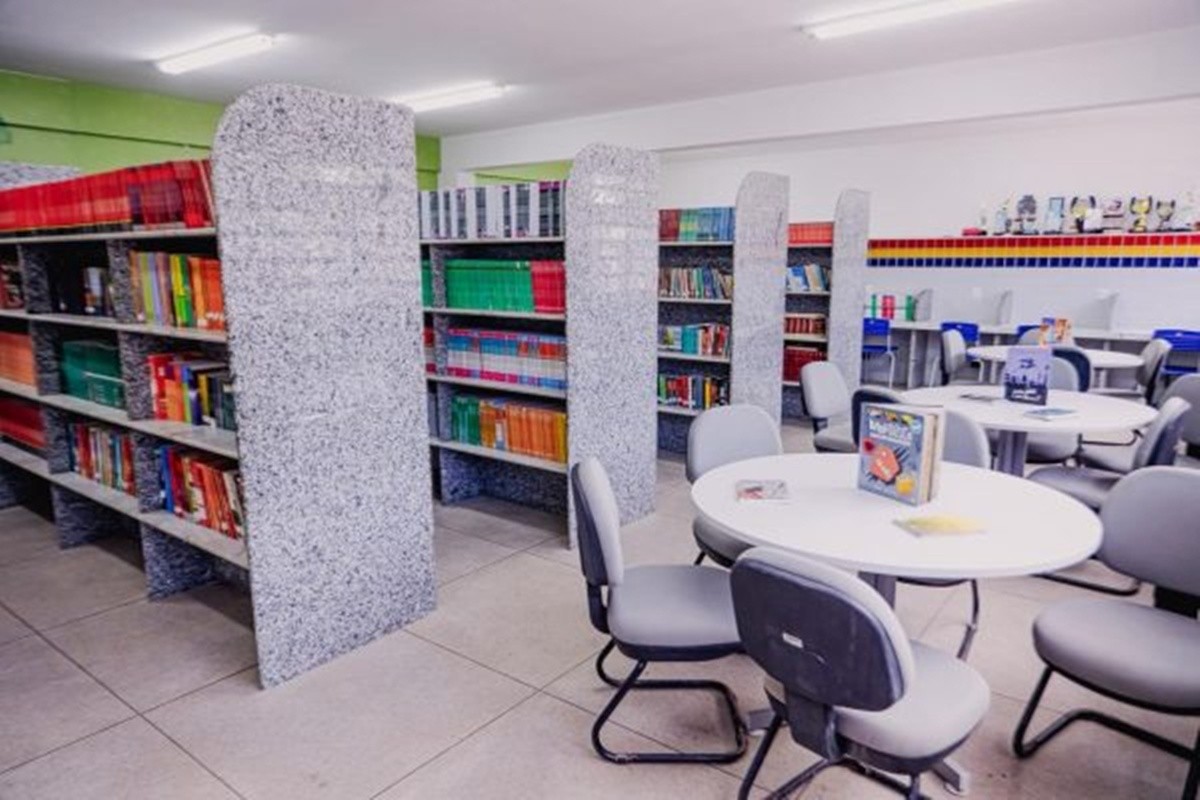
A student at Afonso Pereira da Silva Municipal School in João Pessoa, whose identity was not disclosed, has had the suspicion of bacterial meningitis ruled out following medical examinations. The confirmation comes from the João Pessoa Strategic Information Center for Health Surveillance (CIEVS-JP). The initial notification of a suspected case of bacterial meningitis occurred on Monday, June 6th, with the negative test results becoming available on Tuesday, June 7th. Consequently, CIEVS-JP has also dismissed the need for antibiotic prophylaxis for individuals who had close contact with the student, including family members. It was also noted that the student did not attend school while exhibiting meningitis symptoms, thus preventing any exposure to classmates or staff within the school environment. Therefore, the health surveillance did not recommend the suspension of classes or school activities. However, CIEVS-JP advised families and the school community to remain vigilant for symptoms such as fever, intense headache, stiff neck, nausea, vomiting, and general malaise, urging anyone experiencing these to seek medical attention. The center further clarified that the bacteria responsible for meningitis cannot survive outside the human body, are not transmitted via surfaces or objects, and require direct contact with respiratory secretions for transmission. The specific illness that affected the student was not disclosed as of the last update.
This event highlights the critical role of rapid diagnostic testing and public health communication in managing potential infectious disease outbreaks within educational settings. The swift confirmation of a negative result for bacterial meningitis averted unnecessary alarm and the implementation of broad public health interventions like antibiotic distribution. It underscores the importance of clear protocols for reporting and investigating suspected cases, ensuring that decisions regarding school operations and public health measures are evidence-based. The information provided by CIEVS-JP about transmission vectors also serves to educate the public and prevent the spread of misinformation regarding contagion, reinforcing that direct respiratory contact is the primary mode of transmission for many meningeal pathogens, not casual contact or environmental surfaces. This incident demonstrates a functional public health response system that prioritizes accurate assessment and targeted communication.
AI-generated to prompt reflection — not editorial opinion, not advice, not a statement of fact. How this works.