Bagé Ends 5-Month Water Rationing After Heavy Rains Replenish Reservoirs
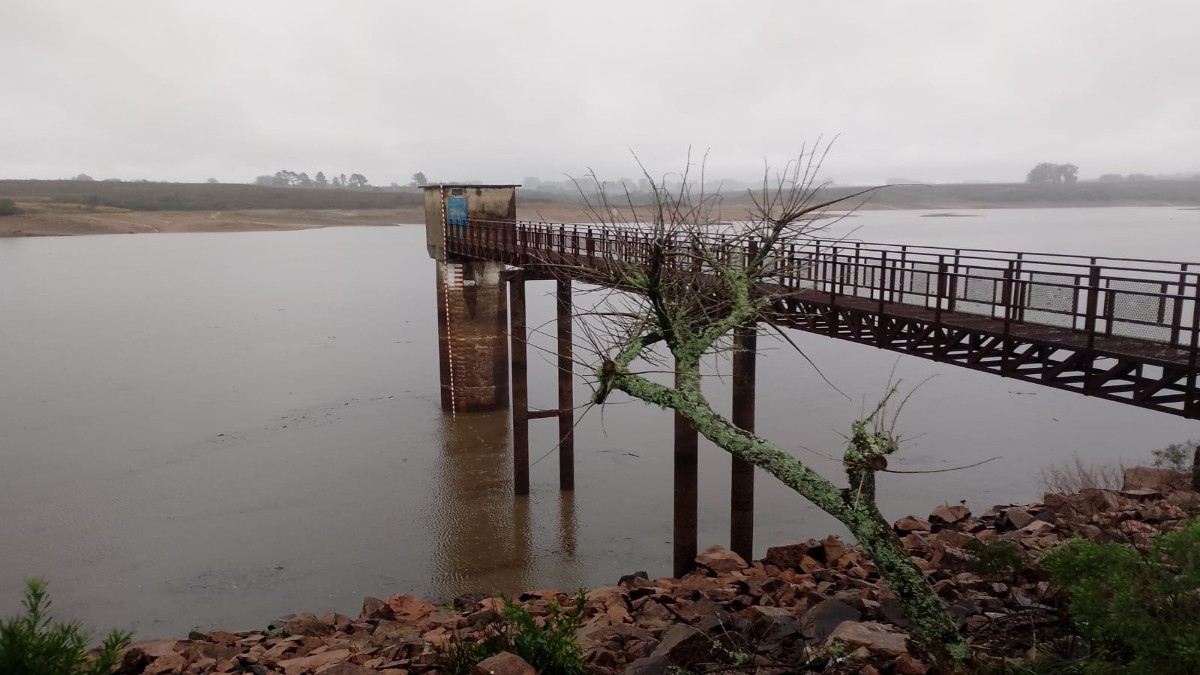
The municipality of Bagé, located in Rio Grande do Sul's Campanha region, has lifted its five-month water rationing measure, which began in February. The Department of Water, Streams, and Sewage (Daeb) announced the decision on Tuesday, May 21st, following significant rainfall over the preceding 48 hours. These rains caused a substantial recovery in the water levels of the city's reservoirs. One water treatment plant recorded 84 millimeters of precipitation in just two days, a volume nearly equivalent to an entire month's rainfall, as June's total was 103.4 millimeters. The increased water accumulation led to the Piraí dam overflowing and the Sanga Rasa dam, Bagé's primary reservoir, regaining over three meters in storage level. The rationing was initially implemented as a precautionary measure to conserve water during a prolonged period of drought. At the peak of the scarcity, residents experienced water outages for up to 16 hours daily; prior to the suspension, this restriction was set at 12 hours per day. Despite a remaining deficit in stored water volume, Daeb expressed confidence that the current time of year and weather forecasts support a safe return to normal water supply. Forecasters anticipate an additional 50 to 70 millimeters of rain by the end of July, with the heaviest expected next week.
The resolution of Bagé's five-month water rationing highlights the critical impact of localized weather events on urban resource management. While immediate relief has been achieved through concentrated rainfall, this situation underscores the vulnerability of water supply systems to prolonged drought periods. The event prompts consideration of long-term infrastructure resilience and water conservation strategies, particularly in regions prone to climatic variability. Future planning should integrate advanced forecasting and diversified water sources to mitigate the effects of extended dry spells, ensuring more stable supply chains against the backdrop of evolving climate patterns and increasing urban demand.
AI-generated to prompt reflection — not editorial opinion, not advice, not a statement of fact. How this works.