Bageshwar Dham Chief Criticizes Abusive Language at Jantar Mantar Protest
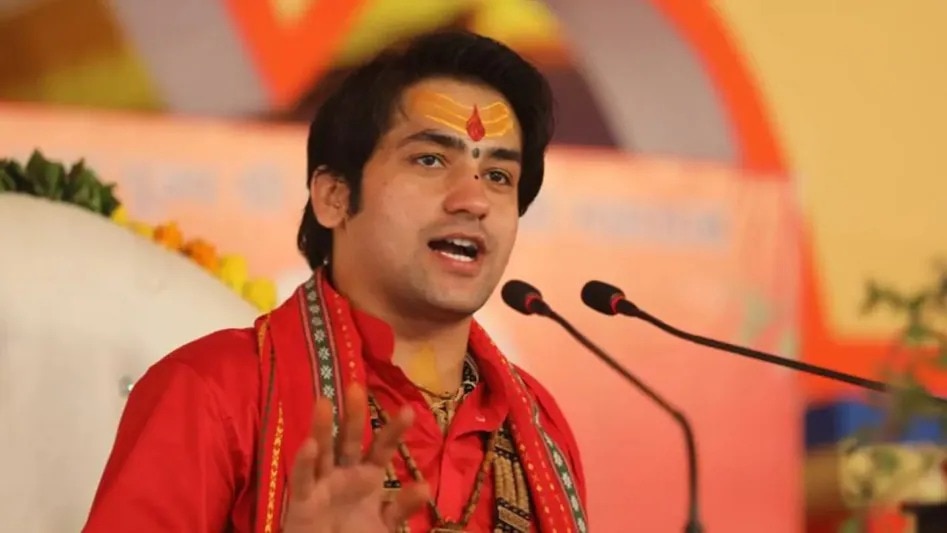
Dhirendra Shastri, the chief of Bageshwar Dham in Khajuraho, has responded to the recent protest held at Jantar Mantar. He stated that while everyone has the right to protest, using abusive language, specifically invoking mothers and sisters, is unacceptable. Shastri's comments address the conduct observed during the demonstration, emphasizing a distinction between legitimate dissent and offensive speech. The protest at Jantar Mantar, a significant site for public demonstrations in India, drew attention for various reasons, and Shastri's remarks add a religious and cultural perspective to the discourse surrounding public assembly and expression.
The statement from Dhirendra Shastri highlights a societal tension between the right to free expression and the expectation of respectful discourse, particularly in public forums. While acknowledging the legitimacy of protest, Shastri's critique focuses on the *method* of expression, suggesting that certain linguistic boundaries should not be crossed, regardless of the cause. This perspective may reflect a broader cultural or religious emphasis on decorum and respect for familial figures. In the context of evolving protest dynamics, particularly with younger generations, understanding the appeal and impact of various communication styles, including those that may be perceived as aggressive or offensive by some, is crucial for analyzing social movements and their reception. The challenge lies in balancing the protection of free speech with the maintenance of civil public dialogue.
AI-generated to prompt reflection — not editorial opinion, not advice, not a statement of fact. How this works.