Bagmati Province Government Faces New Controversy: Three Ministers in a Single Ministry
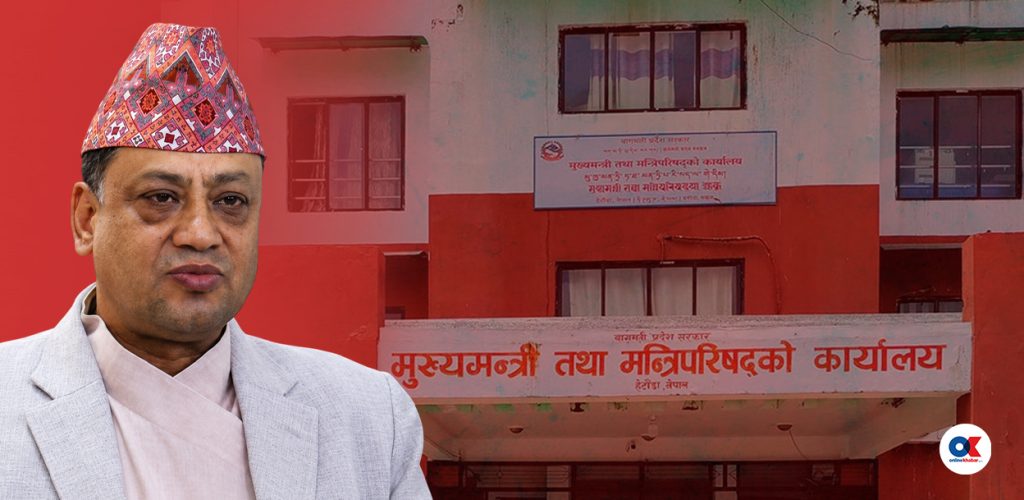
The Bagmati provincial government in Nepal is facing a new controversy, with three ministers appointed to a single ministry. This situation arises amidst a history of administrative unusualness in the province. Previously, the number of ministries was doubled to accommodate coalition partners, and state ministers were given roles primarily to manage power-sharing agreements. In some instances, up to four ministry boards were displayed on windows within the same building. This latest development, where one ministry houses three ministers, represents a novel aspect of these ongoing administrative practices in Bagmati Province.
The appointment of multiple ministers to a single portfolio in the Bagmati provincial government highlights potential inefficiencies and a prioritization of political power-sharing over effective governance. This practice, which has seen previous iterations like expanding ministry numbers and creating state minister roles for coalition management, suggests a system where administrative structure may be secondary to political expediency. Such arrangements can lead to unclear lines of authority, duplicated efforts, and potentially slower decision-making processes. Looking ahead, this approach may not align with the need for streamlined, agile governance in an era demanding rapid adaptation to technological and societal changes. It raises questions about accountability and the efficient allocation of public resources, prompting consideration of governance models that better balance political representation with administrative effectiveness.
AI-generated to prompt reflection — not editorial opinion, not advice, not a statement of fact. How this works.