Bagmati Province Launches 'Hello CM' Initiative to Address Citizen Concerns
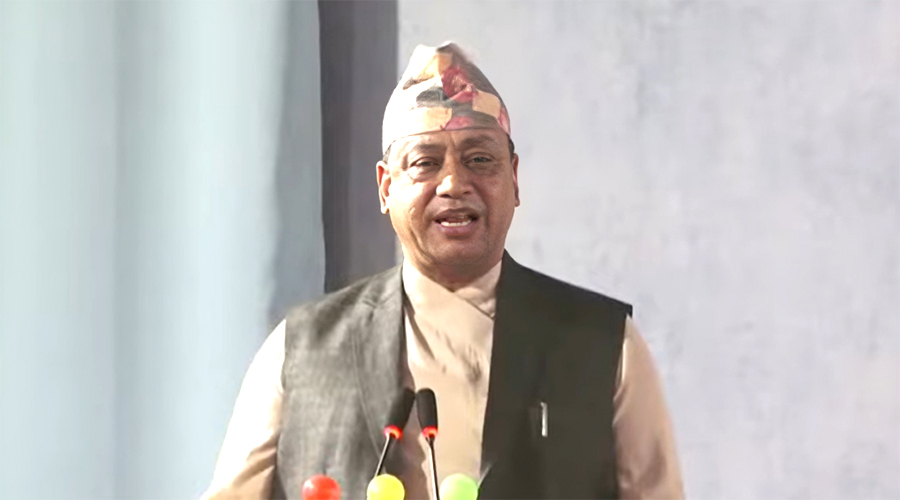
The Bagmati Province government in Nepal has established a 'Hello CM' office with the primary objective of understanding and resolving the issues faced by the province's residents. This new initiative aims to create a direct channel for citizens to communicate their problems to the Chief Minister's office. The establishment of this dedicated unit signifies a commitment by the provincial administration to be more accessible and responsive to public grievances. Through 'Hello CM,' the government intends to gather firsthand information on the challenges affecting the populace across various sectors. This feedback mechanism is expected to facilitate quicker and more effective policy-making and service delivery. The program is designed to foster a stronger connection between the government and the people it serves. By actively listening to the concerns, the Bagmati Province government hopes to implement targeted solutions that improve the quality of life for its citizens. The initiative underscores a move towards greater transparency and accountability in governance.
The 'Hello CM' initiative represents a governmental effort to bridge the communication gap between citizens and provincial leadership in Bagmati Province. By creating a dedicated channel for grievances, the administration signals an intent to improve responsiveness and potentially enhance public trust. This approach aligns with broader trends in governance that emphasize citizen engagement and feedback loops. The success of such an initiative will likely depend on its operational effectiveness, the genuine commitment to addressing reported issues, and the transparency of the resolution process. Future evaluations should consider the volume of complaints received, the types of issues addressed, and the demonstrable impact on public services and citizen satisfaction, viewed through the lens of evolving digital governance and citizen expectations in the coming decade.
AI-generated to prompt reflection — not editorial opinion, not advice, not a statement of fact. How this works.