Bagmati Province to Reduce Ministries to 8, 6 Ministers to Lose Portfolios
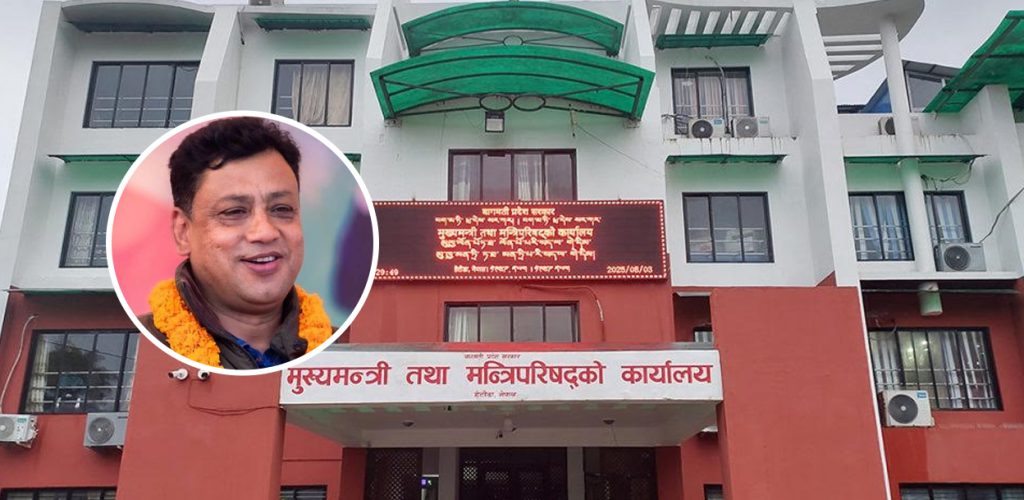
Bagmati Province is preparing to implement a decision to reduce the number of ministries to eight, a move that will result in six ministers losing their portfolios. This significant administrative restructuring is underway as the province aims to streamline its governance. However, the political landscape has been stirred by the central leadership of the Nepali Congress deciding not to cooperate with the CPN (UML). This central-level political development introduces a new layer of complexity to the provincial government's operationalization and stability. The implications of this decision are likely to be felt across the provincial administration and its future policy decisions. The reduction in ministries is expected to lead to a more consolidated and potentially efficient government structure. The timing of this change, amidst broader political realignments, raises questions about the underlying motivations and potential impacts on inter-party dynamics within Bagmati Province. Further details on the specific ministries being merged or dissolved are anticipated as the implementation process progresses.
The consolidation of ministries in Bagmati Province signals a move towards administrative efficiency and potentially reduced government expenditure. This restructuring aligns with broader trends in governance seeking to streamline operations. However, the concurrent decision by the Nepali Congress central leadership to withhold cooperation with the CPN (UML) introduces a significant political variable. This divergence at the national level could create friction and instability within the provincial government, potentially hindering the intended benefits of the ministry reduction. The long-term success of this reform will depend on the ability of provincial actors to navigate these political complexities and maintain functional governance, especially in the context of evolving inter-party relations and national political dynamics.
AI-generated to prompt reflection — not editorial opinion, not advice, not a statement of fact. How this works.